Grow Your Business with Tree Journey

Our TradeWorks Revenue System™ builds a detailed advertising funnel that attracts, nurtures, and converts the right clients – so you can finally stop chasing leads and start scaling your business.

Pomegranate trees are an excellent addition to any landscape or garden, but before committing to growing one of these fruit trees it’s important to understand not only how to care for them but also how quickly these trees grow and how long until they start to bear fruit. 

Pomegranate trees can take anywhere from two to five years to bear fruit. The exact length of time that each variety takes to grow is based on certain factors, such as the specific cultivar and whether you chose to begin with a seed or a sapling.

There’s much more to the life cycle of a pomegranate tree than that, however, if you want a true understanding of not only how these trees mature but also how to care for them at all stages of their growth – keep reading – because we’re going to talk about that today!

How Quickly Does a Pomegranate Tree Grow?

A common question that many people ask when considering whether or not to grow a pomegranate tree of their own is ‘how quickly do pomegranate trees grow?. And this is indeed an important question! After all, no one wants to wait years and years for their first pomegranate harvest! 

Once your pomegranate tree begins to bear fruit it will take five to seven months for that fruit to ripen and be ready for harvest.

That being said, once a pomegranate tree has reached maturity, it will continue to produce fruit for the next decade at least as long as it is cared for properly, making those first few years of growth well worth the effort. 

Thankfully, pomegranate trees are similar to many other fruit trees in that they only take a few years to grow and become mature enough to bear fruit. 

How Many Years Does It Take for a Pomegranate Tree to Mature?

The specific length of time from planting to harvest depends on a few different factors, including whether you begin with a pomegranate sapling purchased from a nursery or start entirely from scratch by planting pomegranate seeds.

In most cases, you can expect your pomegranate tree to take anywhere from two to five years to reach the ‘adult’ stage of its life.

And while this might seem like a long wait for homegrown pomegranates, don’t be discouraged! They’re actually considered fast-growing when compared with other types of fruit trees (such as sweet cherry, pear, and plum trees that can take up to 7 years to grow fruit.

How Long It Takes To Grow A Pomegranate Tree (Full Timeline)

Red ripe organic Punica granatum pomegranatum fruits hanging on tree ready to harvest. How long does pomegranates take to grow?

While knowing how long it takes to grow a pomegranate tree, in general, is undoubtedly helpful, if you’re planning to grow one or more pomegranate trees of your own it’s also important to have a solid understanding of not only how long it will take your tree to reach maturity but also the stages of life it goes through as it does so. 

In order to help you with this, we’ve put together a timeline that will give you some additional information about these different stages.

You can, of course, expect some slight differences in the growth timeline for your pomegranate tree depending on whether you choose to grow your tree from seed or get a headstart by purchasing and transplanting a young sapling, but we will be going over these differences so that you know what to expect either way and don’t need to worry. 

Day 1: Planting Your Pomegranate (Seeds vs Saplings)

As mentioned earlier, there are some slight differences when it comes to the early stages of your pomegranate tree depending on whether you began with seeds or saplings. But don’t stress out! We’re going to go over the specifics of both situations so you’ll know what to expect either way. Without further ado, let’s begin!

Starting With Seeds

Beginning with seeds is a fairly straightforward process. As one might expect, you start by planting the pomegranate seeds in soil; it’s generally recommended that pomegranate seeds be planted in loose soil at a depth of about half an inch.  

Most people will start their pomegranate seeds off in small pots that are kept in an indoor environment; this is usually the recommended course of action since it allows you to closely monitor any potential growth while also protecting your seeds from inclement weather conditions while young and vulnerable.

Assuming the newly-planted seeds are kept at room temperature (which is generally considered to be in the range of 68° to 72° Fahrenheit), they will germinate and sprout in about a month or so!

A quick trick of the trade – an even warmer temperature, up to 85° Fahrenheit, can encourage faster germination! 

If you’re looking for some seeds, head over to Amazon and purchase these Pomegranate Seeds For Planting!

Starting With Saplings

In most cases, at-home gardeners begin with seedlings or saplings purchased from a nursery or garden center because of the benefits this option offers because you don’t have to wait for a seed to germinate, sprout, and grow large enough to transplant outside; a sapling will already be at that stage!

In any case, planting a pomegranate tree sapling is also fairly straightforward, although there are some things to keep in mind throughout the process. 

  • Proper Placement

Location is, of course,  a key factor to consider when adding a pomegranate tree sapling to your garden or landscape. 

Not only do you need to place your sapling somewhere where it will get plenty of direct natural light (pomegranate trees need full sun to thrive) but you also need to factor in your tree’s eventual growth. After all, it’s not going to stay a small sapling forever!

It is so important to take the time to plant your pomegranate tree in a location that will allow it plenty of space to grow as it matures. 

  • Protecting Your Tree’s Roots

When transplanting your new pomegranate tree into the ground, it’s important to protect the sapling’s roots from excessive damage. 

Damaged roots can have a negative impact on your tree’s ability to take in both moisture and vital nutrients that it needs to grow and develop, so do your best to be delicate when moving your tree to its new home

Furthermore, when planting your tree make sure to dig a hole that is at least twice as large as the root ball; this will help prevent the roots from being cramped or crushed during the transplanting process

  • To Prune or Not To Prune

Many at-home gardeners wonder whether or not pruning their pomegranate tree is something they need to do in the first year. 

According to the UCANR, while pruning shouldn’t be necessary for the first year after planting, you may need to prune your pomegranate tree during its dormant period the following year to encourage fruit production. 

For additional information on not only when to prune your pomegranate tree but also how to do so properly, we recommend consulting with an arborist. With that, we have a great article about pruning large trees, that we recommend you check out as well, and we’ll tell you right now the best time is during its dormancy period!

Year 1: Seedlings, Saplings, and What To Expect in the First Twelve Months

The specific growth stages to expect within the first year of having your pomegranate tree depends greatly on whether or not you began with a seed or a seedling/sapling.

We’re going to go over the specifics for both possibilities so that you’re not in the dark regardless of your personal set of circumstances.

The First Year When Starting From Seed:

When starting from seed, your pomegranate tree will spend most of its first year as a fairly vulnerable seedling before it grows large enough to be considered a young sapling (generally speaking, a tree is not considered a sapling until it is at least three or four feet tall).

This early stage is also when your tree is most vulnerable to pests and tree disease.

In any case, as your pomegranate tree progresses from seedling to sapling, you should see not only an increase in height, width, and foliage but also a thickening of the tree’s bark. 

Once Your Tree Becomes a Sapling

Once your tree has developed thicker bark and reached the sufficient height to be considered a proper sapling, it will be much better established than before and as such be less vulnerable to damage from pests and plant diseases. 

Your tree from this point on will continue to grow and develop for another one to three years, at which point it will reach maturity and begin producing fruit (a stage of life we will discuss further a little later on in this article). 

The First Year When Starting With a Sapling

When starting with a sapling purchased from a local garden center or nursery, you will have a slight advantage because your tree already passed through a vulnerable stage!

Generally speaking, pomegranate tree saplings purchased from a nursery will be anywhere from one year to three years old already, meaning that you will need to tailor your care accordingly and also begin making preparations for when your tree begins to flower and produce fruit (something that we will discuss more in-depth momentarily).

In most cases, caring for a transplanted pomegranate tree sapling is fairly straightforward. As long as it is transplanted correctly and cared for properly, your sapling should develop normally and begin producing fruit either the following fruiting season or the fruiting season of the year after that.

Years 2 – 5: Fruit Production Begins

The year your pomegranate begins to produce fruit depends somewhat on what specific cultivar you’ve chosen to grow!

In most cases, pomegranate trees will be sufficiently mature to flower and bear fruit after two and a half or three years (trees grown from seed will, of course, take longer to become established in comparison to trees that were planted as saplings). 

According to this pomegranate production guide hosted by the University of Georgia, most pomegranate trees begin to bloom in the spring and are typically self-fruitful.

In any case, your pomegranate tree will most likely continue flowering and setting fruit for the next two or three months once it begins to blossom (with the standard flowering period usually running from April to June).

Although the exact time of year and the fruiting period’s duration can vary based on which cultivar you have chosen to grow, the pomegranate fruit itself typically ripens in time for a fall harvest. 

How To Know When to Harvest Your Pomegranates

Generally speaking, it can take quite some time for the pomegranate fruit to not only develop fully but also ripen completely. It is important to try to let your fruit ripen fully before harvesting it because unripe pomegranates tend to be more acidic and have a less satisfying flavor.

The most effective way for knowing whether or not your pomegranates are ready for harvest is to check the skin of the fruit. As pomegranates ripen, they lose some of their hard smooth texture, becoming softer and rougher to the touch. 

Another way to check ripeness is to feel the weight of the fruit; ripe pomegranates will be noticeably heavier than unripe pomegranates

Years 15+: Fruit Production Slows

How long does pomegranates take to grow?A pomegranate orchard with rows of trees with ripe fruits on the branches. Israel

While pomegranate trees themselves can live for many years (there are even reports of some pomegranate trees living for over a century!) fruit production has a tendency to slow down after about a decade or so after reaching full maturity

As such, once a pomegranate tree gets to be around fifteen years old, it will start producing less fruit; furthermore, this fruit will also start to deteriorate in overall quality, with less flavor in comparison to earlier harvests. 

There are some varieties of pomegranate trees that can continue producing quality crops of fruit even into their 20s and 30s but it’s important to remember that the older your tree is, the less likely it becomes that it will produce a bountiful and flavorful harvest. 

Pomegranate Tree Care Tips (What Do Pomegranate Trees Need?)

A pomegranate orchard with rows of trees with ripe fruits on the branches. Israelpomegranate start growing as fruit on small pomegranate plant, blur background macro photography

Now that we’ve gone over a full timeline for growing pomegranate trees and discussed what to expect at those different stages of growth, let’s take a few moments to talk about the type of conditions and care pomegranate trees need to thrive. 

Appropriate Climate Is Important

Generally speaking, according to the USDA, pomegranate trees do best in Hardiness Zones 8-11. This is because they are native to the Mediterranean, and are used to hotter and drier weather. 

As such, when grown outdoors they often thrive in the southwestern regions of the United States (although they can also be successfully grown outdoors in warmer south-eastern states such as Florida and Louisiana). 

Sun Is Required

As a species native to warmer and more arid climates, pomegranate trees are also accustomed to growing in locations with plenty of sunlight.

Pomegranate trees need to be grown in full sun; this means that they need six to eight hours of direct sunlight a day in order to remain healthy and achieve optimal growth. 

There are some cultivars that can be grown in partial shade, but it’s important to do the appropriate research before going this route. 

Additionally, it’s important to remember that when it comes to fruit production, growing in the full sun really is the best option (since the overall productivity of your trees as well as the quality and flavor of the fruit can be affected by how much sun the trees receive).

Loamy Soil Is The Best

According to the University of Florida, pomegranate trees are fairly adaptable when it comes to the soil but typically prefer loamy soil with good drainage

Furthermore, pomegranate trees are also very adaptable when it comes to the pH level of the soil, and are capable of thriving in soils with a pH level in the range between 5.5 and 7.2.

Don’t Overwater

As mentioned above, pomegranate trees prefer well-draining soil; as such, it’s important that you don’t overwater them, as this could lead to waterlogged or boggy soil.

It is also worth noting that pomegranate trees by nature are fairly drought-tolerant

That being said, it’s still important to make sure that your pomegranate trees are receiving enough moisture to grow and remain healthy (the specific amount of watering necessary can vary depending on factors such as soil type and local weather conditions).

It’s especially important to ensure that your pomegranate trees are getting sufficient water during the fruit-bearing season since not receiving enough water during this time can have an impact on fruit production. 

Fertilize Your Tree When It’s Mature

While it is not always recommended to fertilize pomegranate trees during the first or second year of life, once a tree has reached maturity it can be a good idea to fertilize it twice a year (once in the spring and then once more in the fall).

Products such as Dr. Earth’s Premium Fruit Tree Fertilizer can be useful in this regard. 

Recap

And there we have it! Remember, when it comes to the growth timeline of a pomegranate tree:

  • Growing your trees from seeds rather than transplanting seedlings or saplings will result in a longer wait until fruit production and harvest
  • Flowering and fruit production will not occur until the tree reaches maturity (usually after 2 to 5 years of growth depending on various factors)
  • Flowering and fruiting is a process that can take a few months
  • While pomegranate trees can be extremely long-lived (with some trees living centuries) fruit quality will begin to drop after about 15 years, with the pomegranates themselves often having less flavor in comparison to earlier harvests

And when it comes to caring for your pomegranate trees, don’t forget:

  • While some pomegranate trees can tolerate partial shade, the species as a whole thrives in full sun; try to make sure your pomegranate trees receive 6 to 8 hours of direct natural light a day
  • Pomegranate trees are fairly adaptable when it comes to the soil they grow in, but typically prefer loamy soil with good drainage
  • Pomegranate trees are drought-tolerant but still need enough water to remain healthy, particularly during the fruit-bearing season
  • Prune your pomegranate tree as needed during its dormancy period (but only after it is fully mature and well-established)
  • Wait for your pomegranate fruit to ripen fully before harvesting; unripe pomegranates are edible but have subpar flavor
  • When in doubt, consult an arborist or fruit tree specialist for advice

That’s all for now! We hope you’ve found this article helpful and informative for understanding not only the typical growth timeline for pomegranate trees in general but also how to care for your own pomegranate tree during the various stages of its life. 

Resources

P. Melgarejo, R. Martinez-Valero, JM Guillamon, M. Miro, & A. Amoros. (n.d.). Phenological stages of the pomegranate tree … – Wiley Online Library. https://onlinelibrary.wiley.com/doi/abs/10.1111/j.1744-7348.1997.tb05789.x

qizi, I. K. D., Hasanovna, P. M., & qizi, T. D. I. (n.d.). Pomegranate fruit growing and storage technology. Middle European Scientific Bulletin. http://cejsr.academicjournal.io/index.php/journal/article/view/1089

Volschenk, T. (2020, July 10). Water use and irrigation management of Pomegranate Trees – A Review. Agricultural Water Management. https://www.sciencedirect.com/science/article/abs/pii/S0378377420303231

Y. Shulman, L. Feinberstein, & S. Lavee. (2015, November 27). Pomegranate fruit development and maturation. Taylor & Francis. Retrieved October 14, 2022, from https://www.tandfonline.com/doi/abs/10.1080/00221589.1984.11515196

Zarei, M., Azizi, M., & Bashir-Sadr, Z. (2011, March 28). Evaluation of physicochemical characteristics of pomegranate (punica granatum L.) fruit during ripening: Fruits. Cambridge Core.. https://www.cambridge.org/core/journals/fruits/article/abs/evaluation-of-physicochemical-characteristics-of-pomegranate-punica-granatum-l-fruit-during-ripening/2A4C13B75BFC2AEED2AECE1AEA2EBD3C

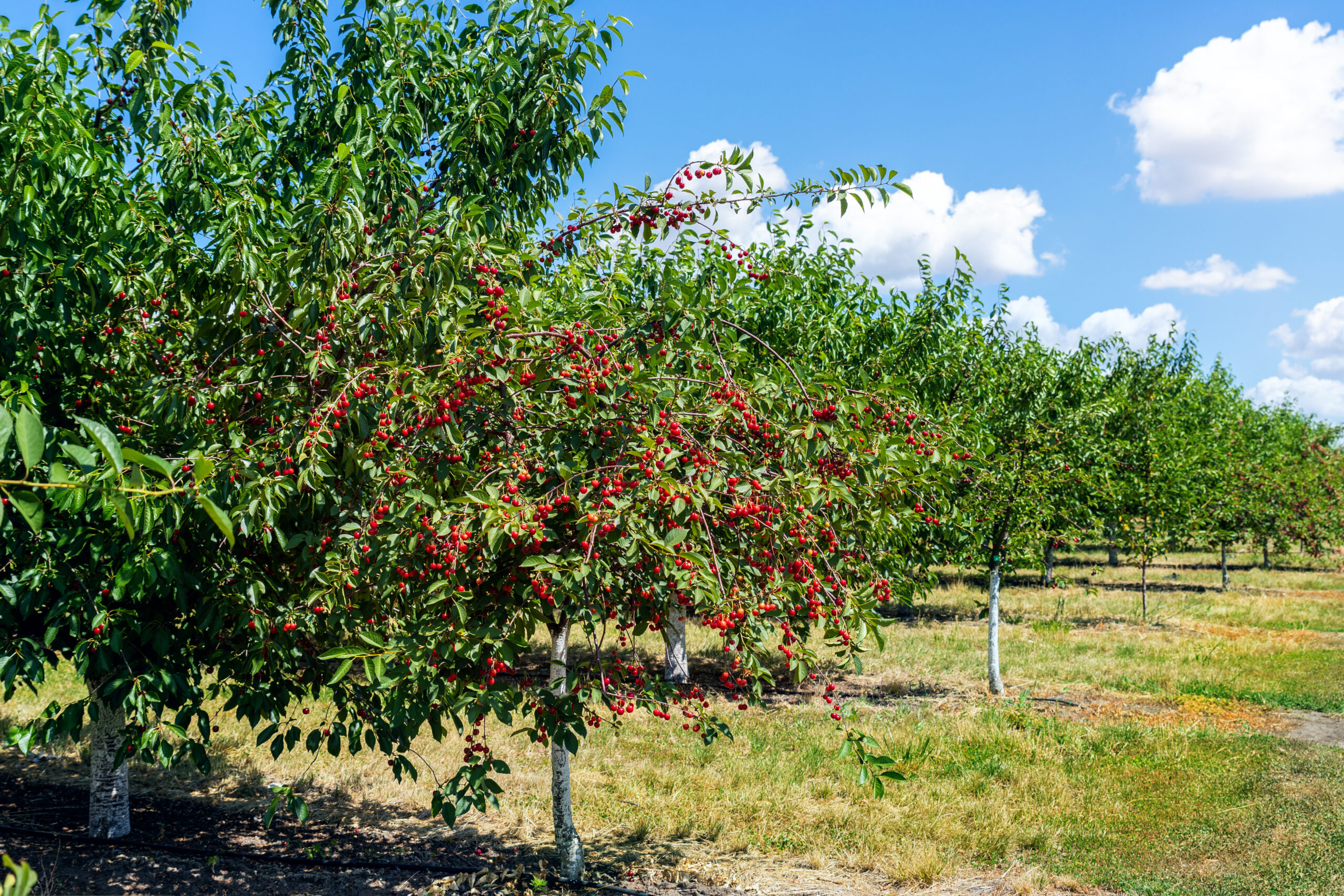
Companion planting is a gardening and agriculture technique that has been utilized since ancient times with great success; planting certain plants, trees, and shrubs together can often yield tremendous benefits when these plants are paired together correctly. However, It’s also important to know what plants to not grow underneath a cherry tree; knowing these limitations ahead of time can help save you both time and money in the long run. 

Peppers, tomatoes, eggplant, potatoes, sunflowers, blueberries, and lavender are not good choices to grow under a cherry tree. Further, any plants that might attract harmful pests to your cherry tree, or require full sun should be avoided. 

In this article, we’re going to not only explain the concept of companion planting but also go through a list of what not to grow under a cherry tree, in the hopes of sparring you from the time and tricky that would come from having to make these discoveries yourself.

What Is Companion Planting?

Many fruit trees with green leaves twig and many red ripe tasty juicy dessert cherry berries growing in orchard. Natural eco fruit garden background. Organic nutritious agribusiness concept.

Before we get to our list of plants to not try growing under a cherry tree, we’d like to first give you a quick overview of companion planting in general!

Companion planting is, in simple terms, a gardening technique that involves planting different types of plants in close proximity to each other with the intent of achieving unique benefits that only come about as a result of growing those plants together. 

There are many potential benefits to companion planting when it is done correctly. Certain plant combinations can help attract beneficial pollinators to your garden, deter certain pests, or even help with the nutrient and pH balance of the soil. 

Not all plants and trees can coexist successfully, so it’s important to understand not only which plant pairings to try but also which ones to avoid.

What Not To Plant Under A Cherry Tree: 12 Plants To Avoid

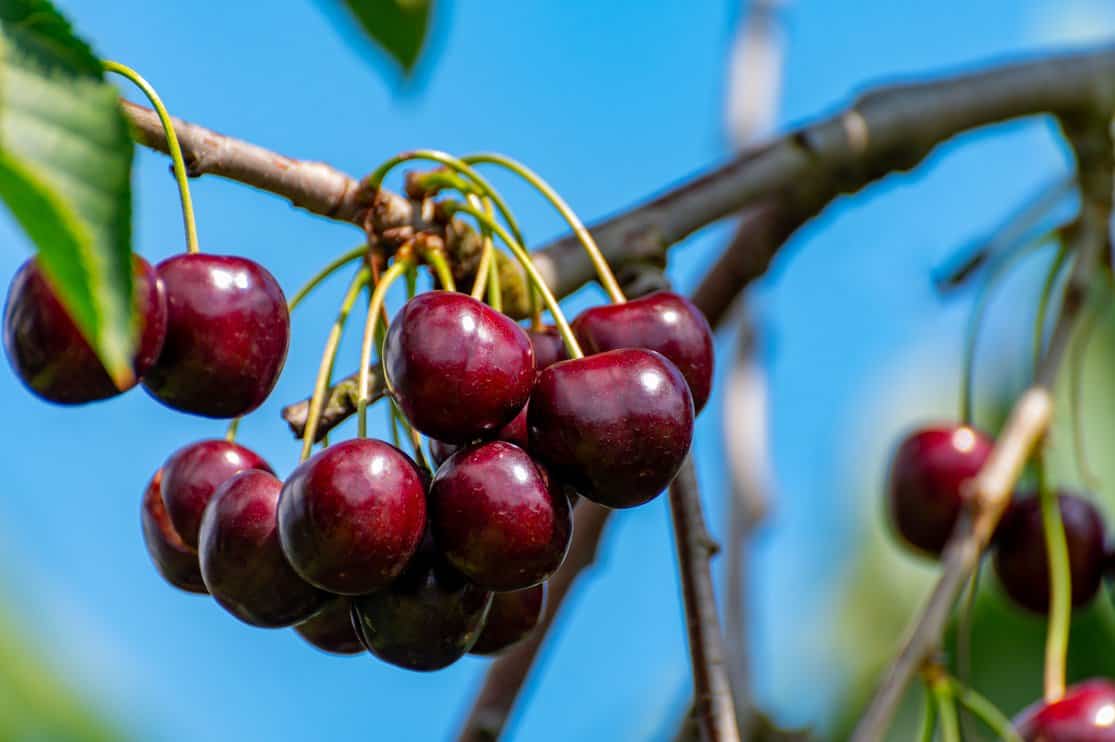
What not to plant under your cherry tree. Detail of ripe red cherries on cherry tree

As mentioned earlier, there are quite a few plants and shrubs that should not be planted under or near a cherry tree.

We’ve listed here for you some examples of these so that you can have a better understanding of what to avoid when it comes to growing plants in close proximity to your cherry trees. 

Peppers

Pepper plants and cherry trees both prefer loamy soil with a pH level in the 6.0 to 7.0 range.

Unfortunately, these similarities are not enough to make them good partners for companion planting.

Pepper plants of any variety need an abundance of sunlight to grow well and be productive, so planting them under any kind of tree is generally not recommended.

The reality is, cherry trees need full sun to thrive and you can check out our article to learn more about why cherry trees need full sun, but, if you’re going to plant underneath the tree, you have to remember the plant will grow in full shade, under the tree’s canopy!

Tomatoes

Much like pepper plants, tomatoes thrive in well-drained and slightly acidic soil.

Tomatoes also require full sun in order to reach maximum potential, making them a poor choice for planting under a cherry tree

While some varieties of tomato plants can adapt to growing in partial shade, a location that provides at least six hours of direct light is best if you want to optimize fruit production; this requirement unfortunately rules out the possibility of planting your tomato plants under your cherry trees. 

Eggplant

Ideal conditions for growing eggplants involve well-drained soil with plenty of organic matter as well as full sun.

Regrettably, this latter growing condition makes eggplants a poor choice for planting under or near a cherry tree; the tree branches typically do not allow sufficient sunlight through to ground-level where the plants are growing. 

Hibiscus 

Native to warm tropical climates, these flowering shrubs are a popular landscaping choice for many on account of their beautiful and colorful blooms. Unfortunately, hibiscus plants cannot be grown successfully in close proximity to cherry trees because they have drastically different preferences when it comes to soil moisture.

According to Ohio State University, cherry trees prefer drier, well-drained soil.

Hibiscus plants, meanwhile, prefer moist and sometimes even soggy soil, making these two incompatible as companion plants; as such, hibiscus shouldn’t be planted under cherry trees despite the striking visual combination they would make. 

Lavender

While cherry trees and lavender are similar in their preference for well-drained soil (cherry trees in particular are very moisture-sensitive and prone to developing problems if the soil they reside in is too soggy), they are regrettably not good choices for planting together.

Lavender needs full sun in order to thrive, something that would be in short supply if it was planted under a cherry tree. 

That being said, there are certain lavender cultivars that are more shade tolerant, and some of these varieties might fare better underneath a cherry tree. 

Nasturtiums 

While nasturtiums are sometimes used as a decoy of sorts to lure harmful insects such as aphids away from other important plants in your yard or garden, planting these flowers directly underneath or in the immediate vicinity of a cherry tree would most likely be a mistake.

Cherry trees are more vulnerable to aphids than most fruit trees, and as such, any plants such as Nasturtiums, that attract aphids should be kept well away.  

That being said, if you ever do find yourself dealing with a harmful aphid infestation that is proving harmful to your cherry tree, products such as BioAdvanced Fruit & Citrus Tree Insect Control can assist you with eliminating these pests; more natural and organic-friendly options such as Safer Brand Insect Soap are also available. 

For more information on how to deal with aphids on your plants, check out our article on our sister site about how to keep aphids away, and why they may be coming back!

Blueberries

Blueberry plants are another example of something that needs full sun to thrive.

Blueberry plants can tolerate partial shade, but it will have a significant impact on overall fruit productivity; more shade means fewer flowers during the blooming season, which in turn means fewer berries later in the season. 

Because of this, planting blueberries underneath a cherry tree is not ideal; place them in another location, one where they will get plenty of bright sunlight, instead.  

Sunflowers

Not only do sunflowers require a great deal of sunlight to grow and thrive (something that is hard to get when grown in the shade of a large tree) they also have a tendency to attract destructive pests such as aphids.

As such, these bright and brilliant flowers are not a great choice for planting underneath a cherry tree, since not only will the sunflower plants themselves likely not grow well but they might also attract aphids to your cherry tree

Cauliflower  

While planting garden vegetables under or around your fruit trees can help you to maximize the space you have, cauliflower is not the best option in this set of circumstances.

Cauliflower prefers moist soil and full sun, making it a less-than-ideal choice for planting under a cherry tree.

Put your cauliflower plants in a location that gets at least six hours of direct sunlight instead, and try to also mix plenty of organic matter or compost into your soil to encourage growth.

Chrysanthemums

While planting flowers under and around your cherry trees can be a great landscaping decision, it’s important to know which flowers are a good choice for planting underneath a tree and which flowers are not.

Unfortunately, chrysanthemums are not an ideal choice to plant under a cherry tree.

These lovely flowers require at least six hours of direct sunlight a day (something that can be difficult to achieve when planted in the shade of a tree) they will likely not do well in such a location. 

Japanese Iris 

While these vibrant flowers are a popular choice for many landscapes, the Japanese Iris is regrettably not suitable for planting under cherry trees.

While Japanese Iris plants are fairly adaptable when it comes to light conditions (most types prefer full sun but some varieties are also capable of thriving in partial shade), their preference for wet or boggy soil makes them a poor choice for companion planting with cherry trees (which prefer well-drained soil that doesn’t contain excess moisture).

Black Walnut Trees

While some trees can be planted in close proximity to one another without any serious consequences, this is not the case when it comes to black walnut trees and cherry trees.

Black walnut trees produce a chemical compound known as juglone, which is toxic to certain other plants; this chemical can be found all throughout the tree, even in the root system.

Because this chemical is often excreted from the roots and out into the nearby soil, it is not a good idea to plant anything sensitive to juglone in close proximity to a black walnut tree. 

Since cherry trees are among the number of plants that can experience serious detrimental effects as a result of exposure to juglone, it’s best to not plant them nearby to black walnut trees

Good Companion Plants For Cherry Trees

What to plant under a cherry tree!Detail of ripe red cherries on cherry tree

Now that we’ve talked extensively about what not to plant under or near a cherry tree, let’s talk about some plants that are good companion plants for them. 

Since cherry trees make amazing shade trees, you have to remember the plants that can handle shade – will grow the best underneath! To learn more about why cherry trees make great shade trees, head on over to our article!

Additionally, in the case of cherry trees specifically, any plant or shrub that will absorb excess moisture from the soil can be a great companion plant since cherry trees do not like or grow well in excessively soggy soil. 

Some examples of good companion plants for cherry trees are as follows:

Dandelions

Believe it or not, these flowering plants (considered by many to be a weed) are actually excellent companion plant to grow under a cherry tree.

Not only do dandelions attract beneficial pollinators, but the long roots of these plants can help bring nutrients that are deep in the soil closer to the surface where the slightly more shallow roots of your cherry trees can more easily absorb them.

Chives

This herb is a surprisingly excellent choice for planting under a cherry tree on account of its inherent antifungal properties. 

Cherry trees are (regrettably) fairly susceptible to various fungal issues that can be difficult to deal with if not addressed immediately, so companion planting with chives can be a great way to protect your cherry trees from fungal problems

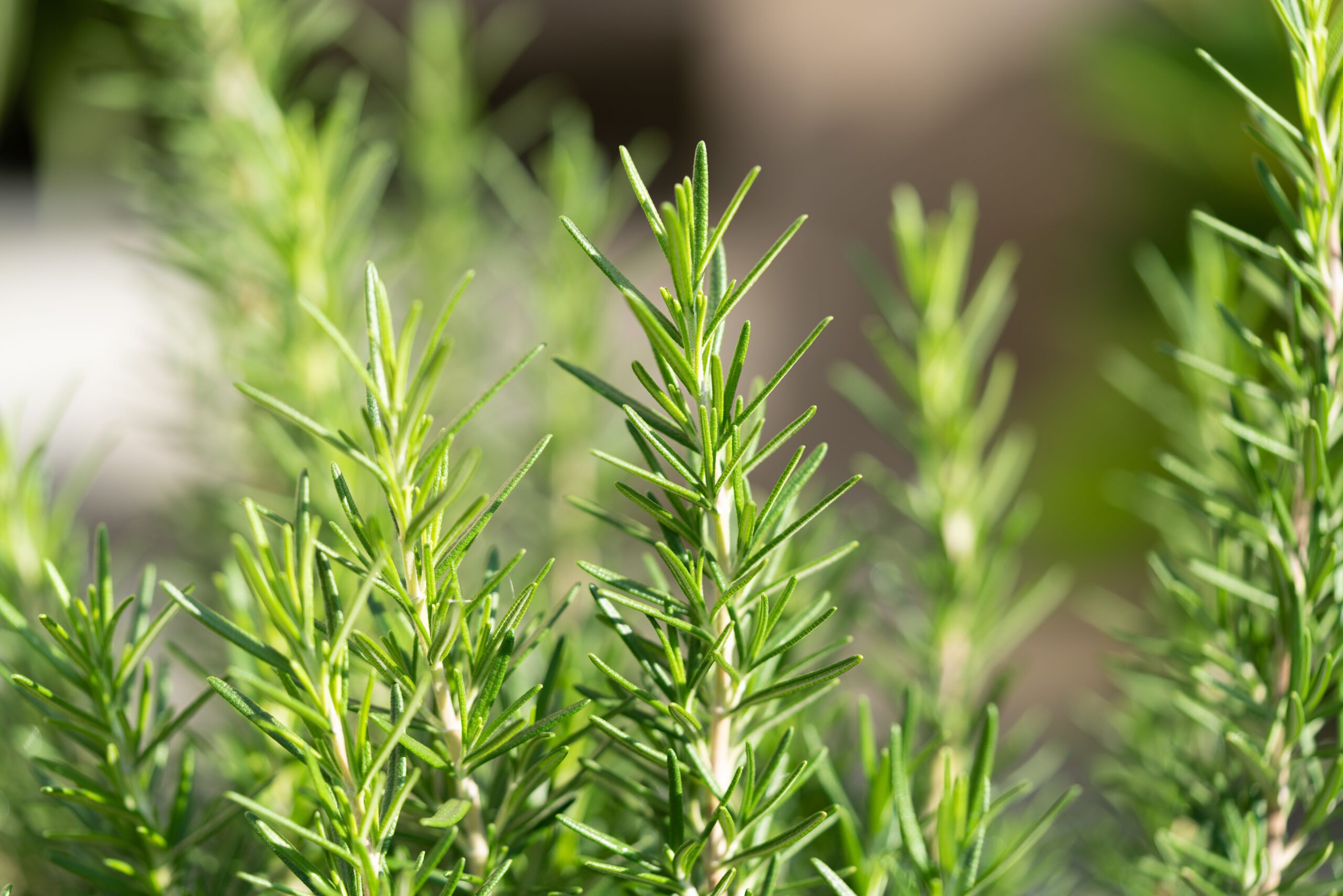
Rosemary

Not only is this aromatic herb an excellent addition to any yard or garden all on its own, but it can also be a fantastic companion plant to grow under a cherry tree. 

Rosemary’s distinctive aroma can serve as a natural insect repellent, helping to keep away harmful pests that might otherwise do damage to your valuable cherry trees

Rosemary is also notable for being not only a versatile culinary herb but also a hardy and adaptable plant that is fairly easy to take care of; once it is well-established, it needs very little in the way of specialized care. 

Dill

This is another great example of an herb that can be planted and grown under a cherry tree as a beneficial companion plant.

Dill attracts both useful pollinators and predator insects such as ladybugs and aphid midges. 

Having a plant that naturally attracts these insects can be a great way to keep pests such as aphids from doing damage to your cherry trees – making dill the perfect addition!

Weeping Willow

 If you’re interested in planting other types of trees in close proximity to your cherry tree, weeping willows are an excellent choice. 

Not only can these trees add a slightly mythical aesthetic to your landscape, but the way willow trees absorb excess moisture from the soil can be of great benefit when growing moisture-sensitive cherry trees nearby

Marigolds

A plant known best for its vibrant orange flowers, marigolds are an excellent companion plant to grow under cherry trees because of their unique relationship with nematodes

According to the University of California Integrated Pest Management, certain types of nematodes (tiny worm-like parasites that live in soil and feed on the roots of plants) can have a negative impact on cherry trees, damaging their root systems and subsequently stunting overall growth and wellness. 

Since marigolds contain botanical compounds that are toxic to these parasites, they are a good choice to plant under a cherry tree. 

Recap!

And there we have it! As you can see, while there are plenty of plants, shrubs, and even other trees that make good companion plants for cherry trees, there are just as many plants that will do better elsewhere. 

Ultimately, when it comes to understanding what not to plant under a cherry tree it’s important to remember the following:

  • Any plant that requires full sun should not be planted under a cherry tree. Plants like tomatoes, eggplant, sunflowers, blueberries, and chrysanthemums need at least six hours of direct sunlight to thrive, and as such, they are not great choices for growing in the shade of a cherry tree. 
  • Any plant that prefers soggy or moist soil should not be planted under a cherry tree. Plants such as cauliflower and Japanese irises, which prefer wet soil, are not a great match for cherry trees (which prefer well-drained soil and often experience root issues if forced to grow in excessively wet conditions).
  • Any plant that attracts pests that could be harmful to your cherry trees. Plants like nasturtiums can be beneficial for luring pests such as aphids away from your cherry trees but only if planted a safe distance away; plant nasturtiums directly below or in the immediate vicinity and you run the risk of attracting pests to your trees instead. 

Should you desire to learn more information about growing and caring for cherry trees, books such as Fruit Trees For Every Garden can be a great resource; arborists that specialize in fruit trees are also a great source of knowledge. 

Resources

MN Dana, & BR Lerner. (n.d.). Black walnut toxicity – Purdue University. https://www.extension.purdue.edu/extmedia/HO/HO-193.pdf 

Schüepp, C., Uzman, D., Herzog, F., & Entling, M. H. (2014, January 30). Habitat isolation affects plant–herbivore–enemy interactions on Cherry trees. Biological Control. https://www.sciencedirect.com/science/article/pii/S1049964414000206 

Wang, K.-H., Hooks, C. R., & Ploeg, A. (2007, July 1). Protecting crops from nematode pests: Using marigold as an alternative to chemical nematicides. ScholarSpace. https://scholarspace.manoa.hawaii.edu/handle/10125/12417 

Lime trees are cold-sensitive citrus trees known for their sour fruit used in foods and beverages. These amazing trees can be grown outdoors in warm climates or indoors. No matter where you have your lime tree, you’ll want to be sure to give it lots of sunlight!

Lime trees grown in full sun will grow faster, have higher fruit production, and produce bigger fruit. Full sun conditions help prevent overly wet soil which is something lime trees cannot tolerate. Full sun will also help increase pollination and help dry the limes, making them easier to harvest.

Whether your lime tree is grown outdoors or in your home, we’ll cover all the reasons why they grow the BEST in full sun.

What Does A Lime Tree Need To Grow?

Lime Trees In Sun

There’s nothing quite like growing and harvesting your own fruit. It feels good, tastes good, and the tree makes your yard and home look good!

If you’re growing a lime tree, you probably want to invest some time into taking care of it and making sure it grows under the right conditions.

There are three main things to consider when planting a lime tree:

  • Soil 
  • Sunlight
  • Temperature

Lime Trees Like Well-Drained Soil 

Lime trees are tolerant of most soil conditions as long as they are well-drained. 

Heavy clay soils that retain water will cause lime trees to decline over time and reach an earlier end. Preferably, lime trees love well-drained sandy soils.

Lime Trees Love Warm Temperatures

When it comes to temperature, lime trees LOVE the warmth.

According to a publication from the University of California, lime trees are considered to have a high sensitivity to frost. These cold-sensitive trees cannot tolerate freezing temperatures without protection and are typically only grown in the warmest parts of Florida and California.

As for sunlight, lime trees prefer full sun conditions, meaning at least 6 hours of sun per day. 8 to10 hours is even better and will promote better overall health.

Let’s get down to the nitty-gritty of why lime trees prefer full sun.

Lime Trees Grow Faster In Full Sun

Sunlight is important for plant growth in a variety of ways. However, the most important role that the sun plays in plant growth is by starting the process of photosynthesis.

Lime trees use photosynthesis to produce new growth including shoots, buds, fruit, and roots. While there are a few things that have to come together for photosynthesis to work, it definitely can’t work without sunlight!

Photosynthesis converts water and carbon dioxide into sugars that the tree uses as food. This ‘food’ helps the tree grow.

Full Sun Gives The Lime Tree Energy To Grow

When lime trees are planted in full sun, they will have more access to sunlight which helps the process of photosynthesis, which therefore helps the tree grow. The more sun, the more photosynthesis. The more photosynthesis, the more growth!

Lime trees have to be careful about where they put their food to use. If there’s not enough sunlight, they cannot divert as much energy to growing tall, establishing roots, or producing flowers and fruit.

If planted in a shady area, lime trees will experience stunted growth as well as several other unwanted problems.

Full Sun Conditions Promote Bigger Fruits

Limes are typically small when compared to other fruits like oranges or lemons. The limes found in grocery stores, the Tahiti lime, are one of the largest lime varieties besides the giant key lime and they still only measure about 2.5-3 inches long.

With such small fruits, you’ll want all the help you can get to make the fruits as big as possible at harvest time.

Growing your lime tree in full sun helps encourage larger, heavier fruit that gives you a little more bang for your buck.

Energy From Photosynthesis Lets The Fruits Grow Larger

The reason that full sun promotes larger fruits has a lot to do with the energy obtained from photosynthesis. 

When lime trees are struggling due to a lack of water, lack of nutrients, or lack of sunlight, they have to go into survival mode. This means diverting all of their energy into staying alive as opposed to new growth, flower production, or fruit production.

If there is adequate water, nutrients, and sunlight, lime trees can be a little laxer about where they divert their energy. When excess energy is available, it goes into fruit production, meaning the fruits will not only be more plentiful, but they will be larger and heavier than if the tree was grown in shade.

Lime Trees Produce More Fruit When Grown In Full Sun

Not only do full sun conditions promote heavier fruit, but it also helps your lime tree produce MORE fruit, giving you a higher yield at harvest time.

Mexican lime and Tahiti lime trees will usually produce more fruit than one family can use. Depending on where your lime tree lives, you may be able to harvest year-round. Other areas experience two harvesting seasons in summer and early winter.

If your lime tree isn’t growing in the right conditions, the fruit production can suffer and you may only get a few limes here and there, if any.

More Sun Equals More Limes

Lime trees that are grown in full sun have enough energy to divert to fruit production, meaning you will have more fruits on your lime tree than if it were grown in partial shade.

When placed in partial shade, lime trees will not produce as many fruits. If there is too much shade, you may have to write your lime tree off as an ornamental tree instead of a fruit tree!

Sunny Conditions Help Dry Out The Soil

Every tree has a preference for where it likes to grow. Some trees prefer mountainous slopes while others grow best in lowland swamps. Lime trees have their own set of favorite locations and prefer to be planted in well-drained soil. 

Planting your lime tree in a place where it can receive maximum sunlight will help keep the soil from remaining wet after heavy rain. The sun works by encouraging water evaporation from the soil, sucking up water particles and drying the soil out.

On the flip side of this, you certainly don’t want your lime tree to experience water stress. While the sun will help your lime tree from having wet roots, it will also dry out the soil quicker than if placed in the shade.

This also makes a big difference during winter – as lime trees are actually evergreen!

Limes Are Better At Harvest Time When Grown In Full Sun

The whole reason that most homeowners plant a lime tree is to eventually harvest the delicious fruits. It goes without saying that you’ll want all the care and hard work to pay off at harvest time with fruits that are in good condition and edible.

One problem with lime trees is that the fruits can develop something called stylar end breakdown if the fruits remain wet for too long. According to Texas A&M University, the juice inside the fruit will concentrate on one end of the fruit. Because the juices are so acidic, they will break down the rind and the juices will escape the fruit.

One way to prevent this from happening is to only harvest the fruit when it is completely dry. A lime tree planted in a sunny spot will be able to dry off its fruit faster than one planted in the shade.

Lime Trees Are Pollinated More Successfully When Planted In Full Sun

lime on the tree with blur background with copy space , lemon with the leaf on tree

We’ve said a few times now that lime trees grown in full sun will have more energy to divert to growth, fruit production, and blooming.

Lime trees are self-fruitful, meaning they do not require a second tree to bear fruit. Pollen can be exchanged on the same flower and it will produce fruit. Flowers are extremely important in fruit trees. After all, it’s the flowers that eventually turn into fruits!

However, if there are only a few flowers on the lime tree you will notice significantly less fruit. Lime trees planted in full sun will blossom a larger amount of flowers, meaning there will be more pollinators to make sure that fruit can set and eventually form into limes.

Limes Taste Better When Grown In Sunny Conditions

Limes may not be one of those fruits that you bite into on a hot summer day and enjoy. Yuck! However, they’re still used in a ton of beverages and food dishes that we love.

Sunlight can have a significant effect on how the fruit forms on a tree. Not only does sunlight increase fruit size and yield, but it also alters the chemicals inside the fruit.

According to Penn State University, fruit trees that receive high amounts of sunlight have an increased flavor and color.

Interestingly, this is the same for lemon trees as well!

Sunlight Helps Ripen The Fruit

Another thing that sunlight does for fruits is help ripen them. Fruits have a natural way of deterring animals (and us!) from eating them before they are fully developed.

Have you ever bitten into an underripe fruit? Bitter, right?

As the fruit matures, the sun helps break down the chemicals inside the fruit into sugar molecules that sweeten the fruit, making it appetizing. 

In this way, fruits are not eaten by animals until the seeds for the next generation are fully developed. The fruit and seeds are then eaten and animals help disperse the seeds so that a new tree might grow.

How To Give Your Indoor Lime Trees Enough Sunlight

So far, we’ve geared this article as if talking about outdoor lime trees, but not all of us live in a warm enough climate to grow lime trees outside.

Instead, we have to grow them in containers and bring them inside when Jack Frost begins nipping at our toes! For those who grow their lime tree indoors, you may be wondering if it’s possible to give your lime tree enough sun.

It is definitely possible!

The Best Ways To Grow Lime Trees Indoors

There are a few things you can do to maximize the amount of sunlight your indoor lime tree gets:

  • Pick a good spot: You can’t exactly place your lime tree in a windowless bathroom and expect it to prosper. Put your lime tree in a south-facing window to give it the maximum amount of indoor sun.
  • Take it outside: When the threat of all frost is gone, slowly acclimate your lime tree to the outdoors and let it soak up some natural, direct sunlight during the summer.
  • Use grow lights: indoor grow lights will help your lime tree get enough sun, especially on hazy or cloudy days. GooingTop’s LED Grow Lights provide full spectrum light and have multiple different settings so you can give your lime tree exactly what it needs.
  • Choose the right variety: Some varieties of lime trees are specifically suited for indoor life. Choosing one of these can make it easier for the lime tree to survive indoors with lower light levels. 

Any dwarf variety of lime will be suited for indoor conditions. In general, Mexican and Tahiti lime trees perform the best indoors.

How To Properly Move Your Lime Tree Outdoors

Lime Trees In Sun. Green limes on a tree, Fresh lime citrus fruit high vitamin C in the garden farm agricultural with nature green blur background at summer

When spring rolls around and the birds are chirping, it can feel like a new beginning! For your lime tree, it means getting some real outside time and some direct sunlight.

It’s not recommended to put your lime tree outside in full sun as soon as it gets warm enough. You’ll want to slowly acclimate your lime tree to the outdoors for about two weeks.

If you need help moving your lime tree, or are unsure how to – it’s always best to check in with a professional to ensure the health of the tree.

Steps To Take To Move The Lime Tree

The below steps will help guide you on moving your lime tree outside:

Step 1: Use partial shade first: The best way to introduce your lime tree to direct outdoor sunlight is by placing it outside in partial shade first. This will help slowly adapt your lime tree to direct sunlight without scalding it. 

Step 2: Take it slow: Your lime tree won’t adjust to outdoor sunlight in a single day. Take about two weeks for the entire process. Taking it slow will also help your lime tree adjust to outdoor temperatures which fluctuate far more than the temperature inside your home.

Step 3: Introduce more sun: Each day you can introduce your lime tree to direct sun for longer and longer periods.

Step 4: Let your lime tree soak up the sun: After two weeks, your lime tree should be well suited for a spot with direct sun. Leave it outdoors all summer.

Step 5: Bring it back inside: As fall rolls around, bring your lime tree back inside and place it in a south-facing window. 

You May Need A Sunscreen Mesh 

If space is limited and you only have room on an apartment balcony, there may not be any partial shade available. If this is the case, you can use sunscreen mesh to create some shade for your lime tree throughout the day.

Milky House Store’s Sun Shade Cloth is 10ft X 3.4ft and comes with grommets to help hang it up to give your lime tree some artificial shade!

Will Your Lime Tree Be Okay On Cloudy Days?

We’ve talked a lot about how lime trees need full sun. What happens to lime trees on cloudy days and will they be okay?

Lime trees will be okay on cloudy days. They may not get as much sun as they’d like, but they will not be harmed or have significant problems if they experience a cloudy day here and there.

That being said, there’s a reason why fruit production is high in sunny California and Florida. 

Lime Trees May Experience Stunted Growth If There Are Too Many Cloudy Days 

limes on tree in plantation

While cloudy days will not be detrimental to a lime tree, over the years it will eventually cause stunted growth and lower fruit yields when compared to trees that experience more sunny days.

Cloudy days can be especially hard for indoor lime trees. According to a study in the Journal of Dermato-Endocrinology, the sun passing through a glass window contains less UV than that obtained directly outdoors.

That is why it’s super important to give your lime tree outdoor time in the summer. During the dreary winter, the use of grow lights can have a significantly positive impact on the overall longevity of your lime tree.

However, don’t fret too much if your lime tree is outdoors and cloudy days are happening naturally. Everything should work itself out!

Wait, Can Lime Trees Get Too Much Sun?

By now we can safely say that lime trees will perform best when planted in full sun. If your lime tree is planted outside, that means you live in an area that is warm all year round.

These types of environments can sometimes experience heat waves and droughts, which begs the question: is it possible for lime trees to get too much sun?

When temperatures are higher than usual and there is a lack of rainfall, lime trees can experience negative effects from getting too much sun.

Some signs of too much sun on your lime tree include:

  • Yellowing or browning of the leaves
  • Raised brown spots on the bark (sunburn)
  • Rotting fruit

If you’re experiencing a drought or excess heat, it’s important to keep an eye out for these symptoms, especially sunburn. If your lime tree is repeatedly sunburned summer after summer, the spots will grow larger and open the tree up to pests.

Protecting Your Lime Tree From Too Much Sun

Those who live in warm climates know that checking the weather in the summer is important.

There are times when it is too hot to safely go outside except for small periods. Now, imagine being a lime tree who has to weather the weather (pun intended) all day long!

Luckily, there are a few things you can do to protect your lime tree from getting too much sun and withering away!

  • Provide shade on hot days: You can use a bed sheet, burlap, or sun shade mesh and cover your tree during the hottest parts of the day. If you have to choose, pick the west and south-facing parts of the tree to cover!
  • Provide lots of water: Hot days mean the soil is going to dry out far quicker than on cloudy days. This isn’t usually a problem, but during droughts, you’ll want to provide your lime tree with enough water so that it doesn’t become water stressed.
  • Don’t forget to fertilize: Lime trees are heavy feeders that need a good source of nitrogen. When your lime tree is stressed from heat, it’s important to provide plenty of water and nutrients to keep your lime tree healthy.

Down to Earth’s Organic Citrus, Fertilizer Mix has an NPK ratio of 6-3-3, meaning 6% nitrogen, 3% phosphorous, and 3% potassium. It comes in a 5lb bag but is also available in 1lb bags if you only have 1 lime tree to take care of.

That’s All For Now!

Whether you live in balmy California or the cold northeast, you can grow a lime tree one way or another. These amazing trees boast beautiful flowers and delicious fruit that can be used in a variety of dishes and beverages.

To make sure your lime tree thrives, you’ll want to provide it with enough sun. Lime trees require full sun, meaning at least 6 hours per day. They thrive even more with 8-10 hours of daily sunlight. Now for a quick recap.

The reasons why lime trees grow best in full sun include:

  • Faster growth
  • Higher fruit production
  • Larger fruits
  • Prevents overly wet soil
  • Helps dry the fruit for harvesting
  • Encourages more pollinators
  • Better-tasting fruit

If you’re unsure about which lime tree variety to purchase or where to get one, talk to your local arborist to see what’s best for you!

References

Geisel, P. M., & Unruh, C. L. (2003, April 01). Frost Protection for Citrus and Other Subtropicals [Publication 8100]. University of California Division of Agriculture and Natural Resources

Hollosy, F. (2002). Effects of ultraviolet radiation on plant cells. Micron, 33(2), 179-197.

El‐Kassas, S. E. (1984). Effect of iron nutrition on the growth, yield, fruit quality, and leaf composition of seeded Balady lime tress grown on sandy calcareous soils. Journal of plant nutrition7(1-5), 301-311.

Plum trees are nice to look at, produce delicious fruits, and can provide shade for your space. When you begin to consider if this type of tree might be right for your yard, sunlight is going to end up being one of the biggest factors. Depending on the amount of sunlight your area gets, you may be able to sustain a plum tree quite well, and eventually, reap all the benefits. 

Plum trees grow best in full sunlight, meaning that conditions allow for 6-8 hours of unobstructed, direct sunlight a day. Full sunlight helps to support growth, bloom, fruit production, an even canopy, and more.

Keep on reading to learn about why sunlight is such an important factor when it comes to the success of plum trees. We’ll even talk about indoor plum tree growth, and what happens when your tree gets the wrong amount of sun (too much and too little), among other things!

Let’s get into it.

Why Do Plum Trees Prefer Full Sunlight?

Woman farmer picking plum into wicker basket in garden. Autumn fruit harvest in orchard

Different species of trees have so many different growing requirements, not to mention the difference in the needs of trees of different genera.

Plum trees, however, do best in full sun – so let’s get to why!

Plum Trees Grow Much Faster In Full Sun

Each plant grows its best under a specific set of conditions. While a fir might not do well in the Mediterranean, a palm tree certainly won’t fare well in Nebraska.

Plum trees don’t only need sunlight, they also need the right levels of water, the appropriate soil type to grow in, and nutrients that can most directly support the tree.

Even the way that plum trees are maintained matters. 

Sunlight Is A Factor In Photosynthesis

Sunlight is a key factor in the process of photosynthesis, essential for the tree’s creation of energy. In turn, this process allows for new growth of the plum tree, including how fast it can grow.

More sunlight means more energy, which fuels more growth. The more sun that a tree gets, the more energy it will have to put toward the growth that helps it be strong and long-lasting. 

According to the Smithsonian Science Education Center, plants have to take in water, gases in the air, and sunlight in order to trigger photosynthesis. All of these factors are key in the formation of glucose, a sugar, which acts as a type of food for the tree.

Plants of all types, including microorganisms and even algae, rely on photosynthesis to sustain energy and create new life.

Plum Trees Bloom Best In Full Sun

The impact of sunlight is significant, especially when it comes to your tree’s ability to produce new growth.

Plum trees bloom best when they receive the full sunlight that they require. You might think that this is standard for all trees, but the bloom of a tree in direct sunlight will vary based on the type of tree, and what its growing requirements are. 

For example, many plants love and thrive in shade. Under direct sunlight, these plants may actually produce less. To be clear, plum trees are not on that list of shade-loving trees and plants. 

Plum Trees Produce More Fruit In Full Sun

Plum trees not only need full sunlight to bloom flowers each spring but also to later produce the fruit that follows the bloom. 

Trees need the energy to produce fruit, and your plum tree is no different. Photosynthesis is the process that most effectively prepares your fruit tree to produce, and full, direct sunlight is at the very center of the process. 

In addition, the energy created during photosynthesis helps your tree grow taller and stronger, fight disease, and be more resistant to drought and poor soil conditions. 

Why Does Sunlight Help Plum Trees Produce More Fruit?

  • Higher energy levels: Photosynthesis produces energy, and so the growth of fruit on a plum tree, which requires energy, also relies on this process. Since photosynthesis produces the energy, and the sunlight is at the center of it all, plum growth directly mirrors the levels of sunlight the tree receives.  
  • Fewer structural issues: More sun means less water sitting on your tree because the sun helps to dry the surface of the tree. This allows your plum tree to be more resistant to issues like infestation and disease, which often stem from sitting water. A healthier tree produces better, healthier fruits. 

Most fruit trees prefer full sun, and we have a few articles about why your cherry tree needs full sun and apple tree needs full sun. Make sure to seek out a sunny spot, in your yard or even indoors, to plant your plum tree for the best success.

Sunlight Helps Shape Your Plum Tree

A lot of ripe red cherry plums on a tree branch. A good harvest of fruits.

While the shape of a tree is aesthetically beneficial, it also plays a large role in the overall health and success of a given tree. 

You want your plum tree to be beautiful, but also strong, and stable, and all of the other things that make a tree last. The appearance of your tree actually ties into its health, because a tree that is healthier will always look better than one that is struggling.

Sunlight plays quite a role in the process of shaping your tree, meaning the difference between lopsided and weak, or strong with an even canopy.

Your Tree Will Grow Towards The Sun

Tree growth inherently gravitates toward the sun. So, areas that sit in partial shade may lead to a tree that leans to reach the most direct sunlight it can access. 

An outdoor tree that has access to unobstructed sunlight will have a fuller, uniform canopy, and be much more even in its general growth. 

Some unwanted effects of partial shade on your plum tree will manifest in the following ways:

  • A lopsided tree: In spaces where sunlight is only available in inconsistent patterns, new growth will still occur, but with an uneven dispersal. Portions of the tree that sit in the shade for longer will face thinner canopies, and growth that angles toward the sunnier areas.
  • Weak branches: The same can be said for branches that sit in the shade, receiving less sunlight than they require. The limbs of the tree will reach further to get some sunlight, making them weaker, uneven, and potentially less well-attached to the base of the tree.
  • Less Canopy Space: Growth gaps meant that your tree will produce less shade, and fruit because its canopy will be more patchy, sparse, and unreliable. 

When supplied with full, even sunlight, your plum tree is sure to grow taller, stronger, and in a more productive manner. This overall strength and consistency will support the tree’s structural integrity and inner health.

Sunny Conditions Promote A Healthier Plum Tree

Plum trees rely on sunlight to help them dry off after rain, or even after you water them. This act of drying is vital to the success of the tree, for more reasons than you might imagine.

Let’s go over some of the ways that the sun can help promote a healthier plum tree:

  • Stronger skin of the fruit: Plums that have been left with water sitting on them can begin to wither, or their skin might crack open. This invites further issues, on top of the fact that it often renders your plum inedible, after a while.
  • More resistance to disease and rot: Wetness on your tree promotes the growth of fungus, and the cracks left by sitting water can only help that fungus turn into full-on rot. This might allow the disease to overtake your tree more easily, which could mean the downfall of your plum tree.
  • Avoiding pests: Not only does sitting water cause damage and disease, but it also attracts pests. These conditions can all combine in damp, cool areas to create the perfect storm of chaos. Your plum tree may not be able to withstand infestation, especially if it is part of a larger issue, like rot or weakness in your tree.

We know that water is important but, like sunlight, there is such thing as too much water.

We recommend trying out the CARPATHEN Drip Irrigation Kit in order to avoid overwatering (and underwatering) your plum tree. With drip connectors, ¼ tubing, and drip emitters, the system helps to maintain a full irrigation system to support your tree in a reliable way.

If your plum tree gets the 6-8 hours of sunlight it requires, this should not be cause for concern.

You may also rely on pruning as another way to help maintain a tree with too much surface water. The Gonicc 8.5” Professional Rotating Bypass Titanium Coated Pruning Shears are great for clearing out branches that might have succumbed to disease, infestation, and even those that just don’t fit into the canopy properly.

Can Plum Trees Receive Too Much Sun?

Plum trees may need a lot of sunlight, but can they receive too much? Too many hot, sunny days, with high UV levels can result in harm to your tree.

If you’re concerned about finding that balance, know that the sun alone does not usually cause issues. More often, it is the combination of higher-than-average temperatures, high UV levels, and dryness that will negatively impact a sun-loving tree.

Too Much Sun Can Cause Sunburn On Your Trees

Much like humans, trees can get sunburnt. Especially in high temperatures and UV levels, a tree that receives an exorbitant amount of sunlight might face a sunburn.

Questioning what a sunburn on a tree might look like? They’re not that different from sunburns on people, actually!

While people see their skin peeling, being dry, and getting redder, trees also display effects of the sunburn. Tree bark may appear drier than usual, discolored, and eventually peel off, as well. At the least, the tree’s bark will be noticeably weaker and looser.

Too Much Sun Can Cause Water Stress

Plum trees that have been in too much sun might undergo water stress, where there is a lack of access to water.

The sun brings with it a certain heat and dryness that, like a sunburn, will result in the eventual lack of water for the plum tree to utilize.

Your tree might have discolored leaves, and appear droopier than usual if it is undergoing water stress. The bark is not the only thing to watch out for. Water stress might also cause your soil to dry out, as well.

Water stress will make it so that your plum tree is unable to absorb all the nutrients it needs, and will impact the health of your tree in a negative way.

How (And When) To Protect Your Plum Tree From Too Much Sun

Your plum tree will prosper if your area is always sunny. How do you make sure it doesn’t get sunburnt or fall victim to water stress?

According to RIPE, Realizing Increased Photosynthetic Efficiency, sun protection is an evolutionary barrier that plants have built up over time, and now wield. 

Known as photoprotection, plants can turn this on and off depending on the levels of sunlight, to make sure that they get the right amount of sun, when possible. Nature is impressive!

In full sunlight, photoprotection is activated, but even if a leaf is shaded by another leaf, the edge of a building, or an extra cloudy day, it is turned off to allow the tree to absorb any and all sunlight it can – this process keeps leaves from being bleached, or sunburnt, by sunlight that gets too intense. 

Man-Made Protection For Trees

Sunglasses are great, but why not sunscreen? That’s right! Humans have created some additional ways to protect trees, as we work with nature to help sustain it.

Dalen’s Protective Tree Wrap is one example of man-made protection against the sun. It acts as sunscreen does for us, as a light-colored item that reflects some of the harsh sunlight. 

You can protect your tree from any negative effects of too much sun, in an easy way.

Can Plum Trees Still Do Well on Cloudy Days?

red plum on a branch ripens in the garden .

If sunlight is crucial to the growth and production of plum trees, how dire are the effects of cloudy days? The tree won’t suddenly lose all of its energy, nor will photosynthesis come to a halt. The sun is still there, shining, but is able to reach plants at a reduced level. 

Energy is still created on cloudy days, but in a smaller capacity than on a sunny day, so the tree will put that small amount of energy toward survival, rather than other growth and production.

What About Many Cloudy Days In A Row? 

If you have a plum tree but also live in an area with a high number of overcast days per year, you’ll just expect your tree to develop at a slower rate. This is normal and, frankly, to be expected.

Slower growth also ties into the fact that less fruit will be produced, your canopy will be smaller, and the tree will be less hardy overall. The same thing can happen with trees that live inside and don’t get as much unobstructed access to the sun.

A great solution to this unfortunate problem? LED lights!

A wonderful way to supplement the light that your plant receives is by installing some LED lights, like WTINTELL’s LED Plant Grow Light with Stand. The greenhouse-like level of light comes from 4 adjustable lights, which can be set on a timer when needed.

Ensuring That Indoor Plum Trees Get Enough Sun

Are you concerned that you might not have enough outdoor space to sustain a plum tree, but you still really want plums? 

There’s a solution to that! You can grow a plum tree indoors, as well as outdoors. But, doesn’t the inside inherently keep the plum tree from meeting its needs? Valid question, but not exactly. 

Many plum species do well in balanced conditions indoors, and sunlight can be supplemented in many ways, one of which is the LED lights we mentioned above.

Keep the tree by the window, and move it outdoors once in a while if possible. These actions, along with proper watering and fertilization, will keep your plum tree happy, healthy, and plum-p!

Try a balanced fertilizer like the Southern Ag All Purpose Granular Fertilizer, with an NPK value of 10-10-10, to help best sustain your plum tree.

That’s A Wrap!

Plum trees do so much better when planted in an area that allows them access to the full, direct, 6-8 hours of sunlight that can best sustain them.

Let’s go over the reasons for this just one last time!

5 reasons why plum trees thrive in full sun:

  • Plum trees grow much faster in full sun
  • Plum trees bloom better in full sun
  • Plum trees produce more plums in full sun
  • Sunlight helps shape your plum tree
  • Sunny conditions promote a healthier plum tree

Remember, too much sunlight can be as bad as too little. Too much water can also be as bad, if not worse, than too little. Finding the balance that best supports your tree in key.

Make note of your plum tree’s progress to make sure that it is getting enough sun, enough water, and any other maintenance it might need.

Local arborists will always be equipped to help you evaluate your tree so that you can rest assured you are doing the right things.

References

Aluja, M., & Birke, A. (1993). Habitat use by adults of Anastrepha obliqua (Diptera: Tephritidae) in a mixed mango and tropical plum orchard. Annals of the Entomological Society of America, 86(6), 799-812.

Mc Clendon, J. H., & Mc Millen, G. G. (1982). The control of leaf morphology and the tolerance of shade by woody plants. Botanical Gazette, 143(1), 79-83.

Mc Millen, G. G., & Mc Clendon, J. H. (1979). Leaf angle: an adaptive feature of sun and shade leaves. Botanical Gazette, 140(4), 437-442.

If you have an abundance of maple trees on your property, you probably have considered tapping the tree for precious maple sap and boiling it into delicious maple syrup. But how do you know if your trees are sugar maple trees or one of the other varieties of maple?

The best way to identify a sugar maple tree is by looking closely at its leaves— it will have five points and smooth edges. There are several other ways to identify a sugar maple tree. For example, sugar maple trees can also be identified by their twigs, bark, branches, shapes, flowers, and seeds.

Continue reading to learn more about the valuable sugar maple tree and how you can identify it!

How To Identify A Sugar Maple Tree

The sugar maple tree has seven unique features that, with practice, you can use to separate it from other trees that look similar. These features are:

  • Leaf
  • Shape
  • Bark
  • Twigs
  • Seed
  • Range
  • Wood

In this article, we will review these seven characteristics of sugar maples as well as the characteristics of their most common lookalikes.  

Sugar maple trees are identifiable in many different ways. In some cases, especially during maple sugar season, when there are no leaves on the trees, you must rely on a combination of qualities such as bark, twigs, and the shape of their branches.

Not sure what all the fuss is about sugar maple trees? Try some unique sugar maple candy, such as Nova Maple Candy. We promise you won’t regret it.

According to the Wisconsin Department of Natural Resources, there are seven qualities you should consider when identifying a sugar maple tree: leaf, shape, bark, twigs, seed, range, and wood.

Identifying the Sugar Maple Leaf

No leaf is more iconic than the leaf of a maple tree. The sugar maple leaf is featured on the Canadian flag, after all!

Sugar maple leaves grow opposite of one another along the twig. They are three to five inches long and have five lobes similar to a human hand, where each hand is a finger. However, according to the University of Maine, the two lobes close to the base of the leaf are smaller than the other three lobes. 

Sugar maple leaves are often confused with red maple leaves, but red maple leaves only have three lobes and rough-toothed edges. (Sugar maple trees have five pointed lobes and smooth edges, similar to a human hand.)

What makes sugar maple leaves unique from other types of maple trees are the relatively smooth edges. Other maple tree leaves have rougher edges that may look like the teeth on a serrated knife. Sugar maple leaves have gentle teeth that look more wavey than they do serrated. 

Shape of the Sugar Maple Tree

Sugar maple trees grow between eighty and one hundred feet tall. Sugar maples are large trees; their trunk diameter can be three feet or more!

When growing without competition for canopy space with other trees, the sugar maple forms a sizeable symmetrical crown around its trunk that you can see from a distance. 

Bark of the Sugar Maple Tree

The bark of young maple trees is light gray to brown. This bark is smooth in texture. As a sugar maple ages, its bark goes from darker gray to almost black. 

Mature sugar maple bark forms irregular furrows and crevices. Often the bark may look like it is flaking away from the tree’s trunk. Don’t worry; this is normal for a mature sugar maple tree!

Twigs of the Sugar Maple Tree

The young twigs of a sugar maple tree are smooth, slender, and reddish-brown in color. They have sharply pointed winter buds. The buds form opposite each other on the twig and are held tightly against the side of the twig.

The twigs have leaf and flower buds on them in the spring that are held close to the twig and are dull brown or gray. Other varieties of maple have red buds in the spring that can be seen from a distance.

Seeds of the Sugar Maple Tree 

The seed of the sugar maple tree is sometimes referred to as “the fruit.” These seeds form in fused pairs that resemble the blades of a helicopter. They are about one inch long and grow in the sharp shape of the letter V. This strong V shape distinguishes them from other maple trees.

The most notable difference between sugar maple seeds and other maple seeds is that they mature and fall in the fall. The seeds of the commonly confused silver and red maple trees fall in late spring and early summer.

If you’re interested in learning more about the different varieties of helicopter-shaped seeds on maple trees, check out these maple trees that produce the most helicopter seeds.

Range of the Sugar Maple Tree

Sugar maples are found throughout the eastern united states, west through Minnesota, and South to Tennessee. Compared to other species of maple, this is a more narrow range. Therefore, the maple tree in your yard is probably a different species if you live outside this range. 

The red maple tree is more common than the sugar maple and has a broader range that covers most of the United States. 

Sugar maples prefer rich loamy soil in moist areas with significant rainfall.

Wood of the Sugar Maple Tree

The internal wood of a maple tree is light brown, firm, heavy, and hard. Sugar maples have the hardest wood of any other maple tree and are coveted as a construction material. 

Sugar maples have a close grain pattern and are used to manufacture flooring, furniture, and fuel. Unfortunately, its wood is so coveted that this tree has been threatened by deforestation. 

Trees Often Confused With Sugar Maple

According to Michigan State University Extension, the maple tree falls into two distinct genera or families. There are more than one hundred and seventeen species within these two families! 

Maple trees are spread throughout the northern hemisphere and love temperate climates. However, among all of these different maple trees, only some of them reach the size of a full-grown tree.

Other types of maples grow to be large shrubs or small trees. You’ve already done half the identification work if your maple tree is large!

Even though there are many species of the maple tree, three different types of trees are often confused for one another due to their similar size, shape, and range. These are; the sugar maple, the red maple, and the silver maple. 

Sugar Maple Trees Are Often Confused with Red Maple Trees

Let’s drill down into the identification of the Red Maple tree to see how it differs from a Sugar Maple tree. 

Red Maple Leaf Often Confused with Sugar Maple Leaf

Like the rest of the maple family, red maple leaves grow opposite one another along the twig. They are two to five inches long and often have only three lobes, though they can sometimes have five. The edges of the leaf are serrated and doubly toothed compared to the sugar maple tree.

The upper surface of the leaf is light green, and the lower surface is white and covered in a very fine furry down. The buds of the leaves and flowers are bright red in the winter and can often be seen by a bystander looking up from the ground. 

Red Maple Shape Often Confused with Sugar Maple 

Red maple trees grow forty to sixty feet tall, making them smaller than sugar maple trees. When you look at a red maple tree from a distance, you will notice it forms a narrow rounded crown, also smaller than a sugar maple tree.

Overall the shape of the red maple tree is narrower than that of the sugar maple. To truly get a grasp on these differences, it is best to view the tree from a distance. 

Red Maple Bark Often Confused with Sugar Maple

The park of young red maple trees is light gray and smooth. As the tree ages, the bark darkens to dark grey and is sometimes reddish in color. Old bark forms shallow, scaly ridges that can flake off from the surface of the bark, making the tree appear shaggy. 

It is no coincidence that red maple trees have “red” in their name. All of the different parts of this tree appear blushed with red during different stages of growth.

Red Maple Twigs Often Confused with Sugar Maple

The young twigs of a red maple tree form red leaf buds and red flower buds clusters that can easily be seen from the ground while looking up. The twigs are slender, shiny, and medium brown. 

The next time you go for a walk in the winter, look at the tops of your neighborhood trees, you may just see a red sheen along the top of the tree. This is a sure indication of a red maple tree.

Red Maple Seeds Often Confused with Sugar Maple

The seed of the red maple tree is made up of two wings fused at the center. Each seed is one-half to an inch in length on a long drooping stem. 

The seeds can be reddish-brown or yellow in color. Again, look for the slightly red hue on the seeds to identify the red maple.

The most notable difference between red maple and sugar maple seeds is that they fall in late spring or early summer. As a result, these seeds germinate immediately, while the sugar maple seed overwinters and germinates in the spring. 

Red Maple Range Often Confused with Sugar Maple

Of all the different maple trees on this list, the red maple is the most plentiful and widespread. It is native to the eastern United States. However, the red maple tree is fast growing and can re-populate areas of deforestation more quickly than other types. 

The red maple tree grows mostly in the eastern United States, north to main, south to Florida, and west to the rocky mountains. 

Red Maple Wood Is Often Confused with Sugar Maple

The wood of the red maple is also heavy and close-grained. However, the wood has been relatively weak compared to its more robust cousin, the sugar maple. Despite this, red maples are still valued for their use in furniture manufacturing and fuel. 

The fast-growing nature of the red maple tree makes it a good choice for those looking to plant a commercial wood crop for food or fuel.

Sugar shack in a maple grove in summer, Saint-Roch-des-Aulnaies, Province of Quebec, Canada

Can You Tap Red Maple Trees for Maple Syrup?

Now that we have reviewed the similarities and differences between the commonly confused red maple and sugar maple trees, you may have discovered that the maple trees on your property are red maple. But don’t worry; red maple trees can also be tapped for sap and boiled down into delicious maple syrup!

Red maple trees are currently being considered for use as a maple syrup food crop because they are more plentiful, grow faster, and more readily recover after deforestation. 

Red maple trees grow in more diverse climates than sugar maple trees. Therefore, maple syrup could be tapped from red maples and produced in a broader area making maple syrup more accessible to all. 

Traditionally experts have thought that red maple trees produce less sweet, diluted sap. Research has shown this to be accurate, but red maple trees also create much more liquid than sugar maple trees, resulting in the same amount of maple syrup once the sap has been boiled down.

Curious about learning how to tap your maple trees for maple syrup? The Tap My Trees Maple Sugar Starter Kit has everything you need to get started.

In short, you can tap your red maple tree just like sugar maple trees! Follow the same processes you would use to tap sugar maple trees.  

Curious about what other trees you could use to harvest maple syrup? Check out how to find and identify some of the best trees here.

Sugar Maple Trees Are Often Confused With Silver Maple Trees

Next, let’s dig into the identification of a silver maple tree to see how it differs from a sugar maple tree. 

Silver Maple Leaf Often Confused with Sugar Maple

Like the sugar maple and the red maple tree, silver maples have leaves that grow opposite one another along their stem. The silver maple has the most deeply lobed leaves of all maple tree leaves. 

The silver maple tree has rough-toothed edges with deep furrows along the leaf veins. These deep furrows are one of the defining characteristics of a silver maple tree compared to other trees in its family. 

The leaf is pale green on top and silvery underneath. You may notice the leaves of the silver maple tree flashing their silver color at you in the wind. This phenomenon is where the silver maple tree gets its name. 

Acer saccharum, young green leaves of silver maple. Branch deciduous deciduous tree of the family

Silver Maple Shape Often Confused with Sugar Maple

Silver maple trees grow up to one hundred feet tall and have three feet or more in diameter. The trunk is usually short and divided into several long ascending limbs. This branching style sets it apart from other maple trees.

From a distance, the silver maple tree has a large round crown with slightly drooping branches that turn up at the end. Because of this unique growing style, the silver maple tree is often planted for shards in sunny areas. 

Owners must be careful, as the rapidly growing silver maple branches can be weak and susceptible to being blown down in a storm. 

Silver maple trees grow large and love water; according to Michigan State University Extention, the roots tend to seek out water in drain fields and sewer lines. Left to their own devices, these root systems could sneak into your infrastructure and cause damage. 

Watch out! A silver maple is just one of several trees that can damage your foundation!

Silver Maple Bark Often Confused With Sugar Maple

The bark on young silver maple trees is smooth and varies in color from reddish to yellow-gray. Older branches have dark gray bark, and you may see the bark flaking off into large pieces.

Unlike other maple trees, silver maple trees decay quickly when damaged or exposed to the environment. If your tree bark has flaked off to the point of being able to see the bark underneath, you may have a weak tree. Consider cutting or pruning the tree to avoid property damage. 

Silver Maple Twigs Differ From Sugar Maple

The buds along the twig of a silver maple tree are rounded and red in color, similar to the red maple tree. 

Remember, if you are identifying a sugar maple, you will not see any reddish color in the leaf buds or flower buds. 

Silver Maple Seeds Differ From Sugar Maple

The silver maple tree has the same classic seeds that resemble a winged pair of helicopter blades. Each seed’s wing is one to two inches long. 

What is different about a sugar maple tree is that the angle of the two seeds is much broader than the sugar maple or the red maple. Like the maple tree, the silver maple seeds mature in spring and germinate immediately. 

Silver Maple Range Differs from Sugar Maple

Silver maple trees are most common along river bottoms and other areas where the soil is deep and moist. It occurs throughout the Eastern United States and up into Canada. 

In contrast, sugar maple trees grow more uniformly in their environment. Their range extends north into Canada as they are well adapted to cold temperatures. 

Silver Maple Wood Differs from Sugar Maple

The wood of the silver maple tree is light-brown and robust. It is relatively hard but brittle and is easily worked, making it a good choice for wood carving. This wood is occasionally used commercially and is often grown alongside red maple for its timber. 

The wood of the silver maple decays fast when exposed to weather and, due to its branching pattern, is susceptible to having branches broken off in storms and high winds. 

How to Identify a Sugar Maple Tree

Now that we have reviewed some of the general characteristics of sugar maple trees and their close relatives, let’s isolate the features of the sugar maple tree that make it stand out from the rest.

These characteristics of a sugar maple tree are much different from its look-alikes.

Sugar Maple Trees Have Unique Leaves Among Maples

First, the sugar maple tree leaves have two main distinctions from the other types of maple. Sugar maples have a five-lobed leaf, while red and silver maples most often have a leaf with only three lobes.

The sugar maple tree leaves have more smooth, almost wavey edges. In addition, sugar and red maple trees have more toothed advantages that appear similar to a serrated bread knife. 

Sugar Maple Tree Seeds Mature In Autumn

The second way you can distinguish a sugar maple tree from its similar relatives is by the maturation rate of its seeds. Sugar maple tree seeds mature and fall to the ground in the fall. The seeds of the sugar and red maples fall in spring or early summer. 

If your maple tree drops its seeds around the same time it drops its leaves; you have a sugar maple! If your maple tree drops its seeds in the spring, you have a different type of maple tree.

Sugar Maple Trees Have Dull Spring Buds

The third primary identifier that sets sugar maples apart from their kin is their relatively dull-colored spring buds. 

Red maple and silver maple tree leaves bud out in the early spring, a deep red color that can be seen from a distance. So if your maple tree has red buds in the spring that you can see while looking up into the tree from below, then you have a red maple tree. 

If your maple tree does not have a blush of red buds in the spring, there is a good chance your tree is a sugar maple tree!

Branches with flowers of sugar maple tree.

Sugar Maples Have Unique Bark

Its dark bark is the final way to tell a sugar maple from the rest of the maple family. Generally, red maple trees have lighter and smoother bark.

This difference may be difficult to discern when the tree is young. A red maple tree often has a red sheen to its bark, especially where the bark scales are flaking off. 

A sugar maple’s bark darkens as it gets older. If your maple tree has dark gray bark, it is likely a sugar maple!

How To Tell The Type of Your Maple Tree

There are many different kinds of maple trees. So how do you know which one is growing in your yard? Start by reviewing the qualities of this article’s three most common types of maple trees: sugar maple, red maple, and silver maple. 

Compare the qualities of your tree to what is listed here. Pay special attention to the characteristics that make each type of maple tree unique. Do you see any of these characteristics reflected in your tree? 

The easiest way to differentiate between maple trees is to look closely at the leaves, as each tree’s leaves are slightly different, even though they may look similar. Also, pay attention to the details, like if the edges are wavy or toothed. 

If you’re trying to identify your maple tree when it doesn’t have any leaves, read up closely on the different types of bark, twigs, and seeds that maple trees can produce. It is possible with practice to identify between varieties of maple trees just by looking at their bark.

This skill will come in handy when trying to identify your sugar maple trees during sugaring season when the trees don’t have any leaves!

Let’s Review!

Sugar maple trees are lovely when integrated into your property, for beauty, or as a food source. 

Remember to review the unique characteristics included in this article if you have inherited property with maple trees but aren’t sure if they are sugar maple trees. Pay special attention to the leaves, twigs, and bark

If you are still struggling to identify your tree, consider purchasing a tree identification book such as The Sibley Guide To Trees or the National Audubon Society Trees of North America.

If you discover that your tree is a different kind of maple, you can still tap it for delicious maple syrup and enjoy the tree for many years to come.

How many sugar maple trees will you be able to identify on your property?

References

Bal, T.L., Storer, A.J. & Jurgensen, M.F. Evidence of damage from exotic invasive earthworm activity was highly correlated to sugar maple dieback in the Upper Great Lakes region. Biol Invasions 20, 151–164 (2018). https://doi.org/10.1007/s10530-017-1523-0

D’Amato, A. Red maple as crop trees for maple syrup production.

Nyland, Ralph D. 1999. Sugar maple: its characteristics and potentials. In: Horsley, Stephen B.; Long, Robert P., eds. Sugar maple ecology and health: proceedings of an international symposium; 1998 June 2-4; Warren, PA. Gen. Tech. Rep. NE-261. Radnor, PA: U.S. Department of Agriculture, Forest Service, Northeastern Research Station: 1-13.

Oswald, E. M., Pontius, J., Rayback, S. A., Schaberg, P. G., Wilmot, S. H., & Dupigny-Giroux, L. A. (2018). The complex relationship between climate and sugar maple health: Climate change implications in Vermont for a key northern hardwood species. Forest Ecology and Management, 422, 303-312.

You’d probably think twice about throwing a backyard barbeque under the hot august sun without a tree shading your outdoor entertainment space. However, planting trees that provide shade in outdoor areas is a crucial component of every outdoor party – and get this, a tulip tree is a perfect shade tree to consider!

Tulip trees are excellent shade trees. They are one of the tallest trees in the North American forest, they grow rapidly, and have large unique leaves ideal for providing shade. In addition, their lowest branches are far off the ground, making them perfect for lounging underneath the shade. 

If you are wondering if a tulip tree is a fitting addition to your landscape, you can stop wondering and start learning. Read on to learn why tulip trees make excellent shade trees!

Are Tulip Trees Good Shade Trees?

Traditionally, shade trees are large trees with big canopies that can disperse shade on everything below it. This is true of tulip trees, along with other attractive qualities.

Tulip trees are fast-growing and have long straight trunks.

They can grow between 80 and 100 feet tall, which makes them one of the tallest trees in North American deciduous forests. 

Tulip Trees Have Large Leaves That Provide Shade

Tulip trees have large leaves that provide a very dense shade. Almost no sun rays are filtered through the leaves and allowed to land on the ground below.

The tulip tree’s leaves blow quickly in a slight breeze and make a calming, fluttering noise that is soothing to all who hear it.

Tulip Trees Grow Tall To Provide Shade

According to the National Park Service, tulip trees are one of the tallest American hardwood trees.

Tulip trees can grow between 80 and 100 feet tall. Since they are so tall, they naturally provide a wider span of shade, than trees that are shorter!

So if you look at the horizon and notice a few trees that stand above the rest, you can bet on those more towering trees being tulip trees.

Tulip Trees Grow Fast To Create Shade Quickly

When grown in optimal conditions, tulip trees may be the best to plant if you want to develop shade fast. They are one of the fastest-growing North American Trees.

Tulip trees reach their epic heights by being very fast-growing and out-competing other trees for sunlight in a developing forest, up to 2 feet a year!

The optimal conditions for the tulip tree are loamy, moist soil that is slightly acidic. It grows best in full sun and needs at least six hours of sun a day.

Tulip trees also need lots of room to grow. Because they grow so fast, their wood can be weak, making them prone to storm breakage. For more information on how a tulip tree grows, head on over to our article about a tulip tree’s growth timeline!

Tulip Trees Have Large Leaves That Provide Shade

tulip tree leaves provide shade.liriodendron tulipifera plant

The leaves of the tulip tree are beautiful and have an unusual shape. Once you know what a tulip leaf looks like, it is unlikely you will mistake it for any other type of tree.

Tulip tree leaves are three to six inches across and have four to six distinct lobes. The end of the leaf has a shallow V-shaped notch that makes its shape recognizable, but also amazing for shade.

In addition, the leaves grow densely in the canopy, providing a very dense shade below. 

In the fall, the leaves of the tulip tree turn lovely light yellow and orange colors. Appreciate these fall colors quickly because the tulip tree is one of the first trees to lose its leaves in a deciduous forest, especially when subjected to drought or other stressors.

Tulip Tree Branches Grow High Off The Ground

When a tulip tree is young, its branches may look like most other trees of its size. However, as the tree grows and matures, its lower branches fall off.

As a result, the tree drops its lower limbs throughout life to direct more energy to the tree’s canopy, where it collects sunlight. This unusual growth habit makes the tulip tree ideal for shade because its branches do not hang low to disrupt any activities that may take place underneath it. 

The trunk of this tree grows tall and straight and above other trees in its habitat.

Tulip Trees Have Large Showy Flowers

Tulip trees get their names from their large, showy blossoms that occur high in the tree’s canopy.

These flowers are pale yellow and orange and look like a tulip from a distance. The flowers have six yellow-green petals surrounded by three green sepals. Inside the flower is bright orange and yellow. 

A tulip tree will not flower until it is at least 15 years old, and in the beginning, it will only bloom sparsely in the tree’s highest branches. This quality makes the flowers challenging to appreciate up close.

Pollinators Love The Tulip Flowers

Even though this tree’s flowers are too high to appreciate, you will still notice the smell wafting to the shaded regions below.

The flowers have a delightful aroma they use to attract pollinators.

The flowers of the tulip tree are favorites of hummingbirds, who get a rare chance to rest as they drink nectar high in the tree. The flowers also attract honeybees and butterflies. 

The seeds of this tree feed birds such as finches and cardinals, as well as small mammals. This tree is a beautiful addition to your yard if you wish to provide an animal habitat.

What’s Unique About Tulip Trees?

Tulip tree in autumn with its beautiful colors.

Tulip trees are unique, with many qualities that set them apart from other trees in a  deciduous forest. Let’s talk about some of those features below!

Tulip Trees Have Beautiful Fall Foilage

Like other deciduous trees, tulip tree leaves turn color in the fall. This tree’s leaves turn a beautiful golden yellow to deep orange color. 

Tulip trees may drop their leaves earlier than other trees, so don’t miss out on the beautiful display.

However, if you live in an area with warm sunny fall weather and are hoping your tree continues to provide shade long into the fall, you may want to choose another tree

Tulip Trees Have Amazing Leaves

Perhaps the most exceptional quality is the shape of its leaves. 

Tulip leaves are unlike any other. They have four to six lobes and smooth edges. There is a slight “V” shape between the two lobes at the end of the leaf. This “V” shape is most helpful when identifying this tree!

Plus, they make a beautiful sound when fluttering in the wind.

Tulip Trees Produce Hardwood

In addition to providing incredible shade, tulip trees’ wood is useful as a construction material.

Tulip tree trunks grow straight and tall making their pliable wood useful for building carpentry and carving small figurines.

In addition, the fast rate at which tulip trees grows makes their wood soft and easy to manipulate.

But, it may be shocking, although the wood is soft – it is actually considered hardwood. Check out our article about why a tulip tree is a hardwood and not softwood, to learn more, and it has to do with the fact that it’s a flowering tree!

Tulip trees are called tulip poplar, yellow poplar, or white wood. Don’t let these common names mislead you; tulip trees are not poplars; they are part of the magnolia family. Since the wood is soft and pliable, it was used by native people and early Americans to carve canoes, earning it its last common name, canoe wood.

Tulip Trees Loves Moist Soil

This tree loves well-drained, moist soil, and while it prefers full sun, it does not tolerate heat and drought well. It grows best in loose soil free from compaction.

This tree will love your property if you live in a river valley or along a stream.

However, it does not like rocky or sandy soil, so people living in a mountainous region would do better to choose another tree.

Tulip Trees Are Tolerant Of Moisture

Finding a good shade tree tolerant of constant or occasional moisture can be tricky. Luckily this type of environment is ideal for the tulip tree!

So, if you have a site that is often wet and are struggling to find the right tree, look no further; the tulip tree is what you need! 

Tulip Trees Have Beautiful Flowers

Like other trees in the magnolia family, the tulip tree has fascinating flowers that make it unique. The flowers look like tulips and have yellow petals with a flash of bright green color at the center. 

Tulip trees are one of the only shade trees with attractive and showy flowers.

The seeds of the tulip tree turn light brown in the winter and sometimes stay on the tree into the next growing season.

Winged like a helicopter blade, tulip seeds twirl and spiral downward once they have been released from the tree

Should You Plant A Tulip Tree?

Tulip tree produces amazing shade.Liriodendron tulipifera beautiful ornamental tree in bloom, American tulip tree tulipwood flowering, flower on the branch

When grown in the right conditions, tulip trees are excellent additions to your property. If you can offer these right conditions – then yes, absolutely you should plant a tulip tree!

Tulip Trees grow in USDA Plant Hardiness Zones 4-9. If you are unsure of how to grow a tulip tree or if you’re property is right – we recommend checking in with your local arborist!

Tulip trees have been studied as additions to landscaping in commercial projects. Findings suggest the tulip tree performs well in landscaping when the right spot is chosen for its growth.

Tulip Trees Need Certain Conditions To Grow Well

Let’s talk about some of the conditions they need to grow well!

  • Moist, well-drained soil.
  • Plenty of room to grow.
  • Climate-free from drought.
  • Climate-free from extreme heat.
  • Full sun.
  • Lose ground free from compaction.
  • Slightly acidic soil.

Tulip trees are slightly pickier than other landscape trees, so ensure you have chosen the correct location. They will do best in large parks or naturalized areas. However, because they grow so tall, they are not best suited for urban landscaping.

Tulip trees create the best shade when given plenty of room to grow and expand. If the tree grows free from competition from other trees, it will produce a more expansive canopy and cast even more shade. 

Tulip Trees Like Slightly Acidic Soil

Like many trees, tulip trees prefer slightly acidic soil. Have your soil tested locally and add a soil acidifier like Down to Earth’s All Natural Acid Mix Fertilizer if needed.

Soil compaction happens when soil particles get pressed together so closely that it makes it difficult for water and nutrients to flow between them. Soil compaction could create a drainage problem and make it harder for your tulip tree to grow. 

Land that has been farmed commercially for many years usually suffers from compaction.

If you fear the site you have identified for your tree has compacted soil, consider loosening the soil before planting with the Yard Butler Twist Tiller.

Aphids Are A Problem For Tulip Trees

Tulip trees are not prone to many pests or diseases; when they are, they are minor. The most common problem results from aphids.

Aphids secrete a sugary substance called honeydew that can cause sooty mold to build up on the leaves. This problem is primarily cosmetic and should not disrupt the long-term growth of the tree.

You can minimize aphids on your tulip tree by applying an insecticide like Compare-N-Save Systemic Tree and Shrub Insect Drench.

For information on how to stop aphids from destroying your tulip tree, head on over to our sister site to learn about scents that aphids hate, and how to use them to protect your tree!

That’s a Wrap!

Now that you know all of the unique qualities of a tulip tree, let’s revisit the question: Do tulip trees make good shade trees?

Tulip trees are fantastic shade trees. They are some of the tallest trees in the forest, grow rapidly, and have large leaves that cast a dense shade. In addition, they thrive under the right conditions, making them great additions to many spaces.

If you’re ready to dive in and plant this amazing tulip tree – then, give yourself a head start by planting this Tulip Polar Tree, it’s anywhere from 2-3 years old, and would be the perfect addition!

If you’re sold on planting a tulip tree but want to start from the very beginning, Tulip Polar Tree Seed Grow Kit may better meet your needs.

Plant a tulip tree today and enjoy this beautiful tree for many years to come!

References

Carter, D. R., Fahey, R. T., & Bialecki, M. B. (2013). Tree growth and resilience to extreme drought across an urban land-use gradient.

Conway, T. M., & Vander Vecht, J. (2015). Growing a diverse urban forest: Species selection decisions by practitioners planting and supplying trees. Landscape and Urban Planning, 138, 1-10.

Frank, S. D. (2019). A survey of key arthropod pests on common southeastern street trees. Arboric. Urban For, 45, 155-166.

Midcap, J. T., & Weatherly, N. (2006). Trees for the landscape: Selection and culture.

Everyone wants a beautiful cherry tree in the spring when their delicate blooms first emerge and then they turn into a delicious fruit you can harvest in your backyard. But with space at a premium, can you safely plant anything around your cherry tree? 

There are lots of plants to grow under your cherry tree that are edible and useful, which will not only thrive around your cherry tree but will help your cherry tree flourish as well. Plants such as chives, rosemary, marigolds, and nasturtiums are all amazing options!

Before you can decide which of these plants to use in your plant guild around your fruit tree, you need to make sure you have the perfect place and type of cherry tree for your yard. Keep on reading!

How To Pick The Right Cherry Tree

There are two primary types of cherries grown in the United States: Sweet Cherries and Tart Cherries.

Each type of cherry has certain needs and quirks that need to be considered to produce fruit and thrive year after year.  

Sweet cherries need a significant winter from late fall until late winter to successfully produce fruit. The Pacific coast is known for its sweet cherry growing with states like Oregon, Washington, and Northern California being known for over ¾ of the sweet cherry production in the United States. 

During the summer, sweet cherries do not tolerate extreme heat well and need more moderate temperatures to not cause problems with the fruit. 

Bing cherries are a popular variety that accounts for a huge portion of sweet cherry growth. 

Make sure you have at least two sweet cherry trees because they will not self-pollinate. These trees can grow to 35’ and taller. 

Cherries are a nutrient-dense food that contains fiber, vitamin C, and potassium according to The National Library of Medicine 

Tart cherries are grown mostly for pies, cooking, or preserving. These cherries are more cold-resistant than sweet cherries, making them perfect for more northern areas. 

Michigan leads the production of tart cherries being responsible for more than ¾ of the country’s fruit.  

Montmorency cherries are the most popular tart cherry variety and one of the first planted in North America. Montmorency is often used in cherry juice. 

With a tart cherry, you only need one tree because they will self-pollinate, states Iowa State University​​. These trees will grow to 20’. 

How To Grow Cherry Trees

New harvest of big dark ripe sweet cherries on cherry trees plantation in Netherland

Sweet cherries will grow in zones 5 to 9 with temperatures down to about -15 degrees. They need over 700 hours of freeze to produce blooms and fruit.

Tart cherries grow in zone 4 to 8 in average weather, handling temperatures of about -25. You don’t have to worry much about frost damage for tart cherries since they bloom later in the season. 

If you live in one of these zones, you should be able to grow a cherry tree. 

The southwest doesn’t do well with cherries because of the mild winters, cherries need extreme cold and frost to produce fruit in the spring. Also, the southeast, with its extremely humid environment, is not the best location for cherries. 

What Does Your Cherry Tree Need?

Cherries need well-drained soil, and it is the biggest requirement. They will not grow well in swampy or boggy areas. If the roots of your cherry tree stay wet it will not be a good fruit-bearing tree for you. 

Stay away from sandy soils or heavy soils which can cause inhibited growth in cherry trees. 

Look for areas with loamy soil, loam soil contains all the particles you find in soil: sand, silt, and clayPurdue University says that each type of soil particle does a different job. 

  • Sand is the largest, holds the least water, and has the best aeration 
  • Silt is a medium particle and is somewhere between sand and clay.
  • Clay is the smallest particle, allows the least drainage, and least aeration 

Loam soil works the best for cherries vs the individual types of soil. 

Sweet cherries need a soil pH of 6-7 and tart cherries do well at around 7. Collect a soil sample and take it to a local extension office. They’ll be able to test it for you and make recommendations. 

You can also purchase a soil tester to keep track of the soil condition over time. 

A bright, sunny spot that allows full sun helps your cherry tree have the best yield. Make sure that no other tree will block the sun from your cherry tree. 

Early spring or late fall is the best time to plant your new cherry tree. 

Do You Need To Plant Under Your Cherry Tree?

It’s becoming more and more popular to grow your foods with smaller tracts of land. Knowing what plants grow well around your cherry tree and how they can help each other is important. 

It can allow you to use growing space more effectively and improve fruit production. 

These interactive small areas that focus on a fruit-producing tree are called plant guilds. 

Plant guilds are companion plants planted specifically to improve a fruit tree according to James Madison University

They can affect the soil quality, the insect population on or around your tree, and the overall health and production of your fruit tree.  

These naturally compatible groupings are also called food forests or forest gardening. Ideally, they not only work to create the best environment for your tree, but also contribute food, herbs, or other assets to your landscaped space. 

One important thing to note is that if you are planting under your cherry, you should prune it so that light can pass through. For some tips on this, check out our article on 7 simple steps to prune your cherry tree!

Best Plants To Plant Under Your Cherry Tree

The plants under your cherry tree are referred to as the understory. They have 6 primary jobs. Attractors, repellers, suppressors, mulchers, nitrogen-fixers, and dynamic accumulators state James Madison University

Attractors

summer meadow with red poppies and butterflies

Attractors are the plants that will encourage pollinators and other good insects to your garden forest. They will bring butterflies, hummingbirds, and bees to help with pollination. 

Cherry trees also try to attract pollinators with their own flowers, so they would love the help in attraction. Read more about this in our article on if cherry blossom trees smell.

The very best attractors will be flowering plants to bloom around the same time as your cherry trees. 

Plants that attract predatory insects to your guild to deter the cherry tree pests will also be considered attractors. 

Pollination is required in order for your fruit trees to produce any cherries. 

Butterflies feed off the nectar from flowers and when eating they collect pollen on their wings and carry the pollen to the next flower. 

Hummingbirds also feed off of the nectar from flowers and pick up the pollen on their long bills to be deposited at the next flower. 

Bees are known as the ultimate pollinators, unfortunately, their numbers have been in steady decline for years. Honey bee hives have decreased from 6 million in the 1940s to about 2.5 million today according to the USDA. 

A combination of reasons like reduced habitat increased pesticides, and the introduction of nonnative predators have all played a part. 

Since ⅓ of the crops produced in The United States require pollination from these hard-working insects or another pollinator is important to encourage bee presence. 

Try placing an attractive and effective bee house such as the SunVara Wild Pollinator Habitat to encourage an increase in your bee population.  

Repellers

Repellers are plants that discourage pests insects or animals. Most repellers have a strong scent that will repel potentially harmful insects. 

Some common pests you might run into are cherry tree flies, spider mites, or black cherry aphids, according to Utah State University.  

Cherry Tree Flies are a huge problem for cherry trees. They can infect and destroy every cherry on a tree, destroying the crop. Strong-smelling herbs can help limit or deter cherry tree flies. 

You’ll notice rotten fruit and small white worms if you have cherry tree flies. 

Spider Mites can create issues with your cherry tree. They’ll remove the chlorophyll from the leaves.

If you see stippled leaves from where the spider mites are eating the chlorophyll. Stippled leaves look spotted with white dots.

Black Cherry Aphids will attack cherry trees and stunt young tree growth. You should be able to spot the aphids on the leaves if they are present. They grow larger than most aphids and are solid back. 

If you start seeing a black, sticky mold on your cherry tree leaves, then your tree has a black cherry aphid infestation. 

Suppressors

Suppressors are plants that keep grass or weeds from growing around the root system of your tree. They work by covering the ground and preventing unwanted plant growth. 

This restriction of weeds is a good thing because too many weeds can take the nutrients your intentional plants need to thrive. While there might not be “bad” plants, there can be plants in the wrong place at the wrong time. 

Covering the ground also keeps the sun from blaring on the soil leading to accelerated water evaporation. 

If you decide that planting suppressors are not in your guild’s best interest or you don’t have enough room, using a material like mulch can accomplish some of the same tasks. 

A cocoa bean mulch like Hull Farm Cocoa Bean Shell Mulch will not only smell like chocolate but also keep weeds down and help prevent water evaporation. 

Suppressors might also serve the purpose of growing around the outer edge of your plant guild to keep grass from growing in. This outer edge is known as the drip edge, this is the farthest point that water drips off your plant’s leaves. 

Some common “weeds” that you might find growing around your cherry tree that can cause problems according to the State Management Program at UC are Bermuda grass which is highly competitive for water and nutrients. 

Mulchers

Mulchers are the plants that drop material that decomposes creating fertilizer for the soil and surrounding plants. 

Herbaceous plants mainly have flexible stems, and greenery, and lack the woody part that makes good mulchers. 

Mulchers naturally drop or can be cut to leave behind organic matter which can lead to more nutrients in the soil. 

These plants must decompose quickly and easily. 

The chop-and-drop method is used often with these green, leafy plants. When you cut the leaves off, just let them cover the ground. 

Keeping your soil rejuvenated is crucial to a long-term production goal. The mulchers helping improve your soil are a big part of that. 

Nitrogen-Fixers

Nitrogen-fixers are plants that work to absorb nitrogen from the ground or air and then release nitrogen in a usable form into the soil during decomposition. 

Nitrogen is a critical part of producing fruit according to The National Library of Medicine. The nitrogen is absorbed through the roots and then directed to the different areas of the plant where it’s needed. 

Some nitrogen fixers work with bacteria in healthy soil to absorb nitrogen out of the area and distribute it through the soil. 

Legumes are one of the more popular nitrogen fixes and are often used in crop rotations by farmers to improve soil quality. 

They form a symbiotic relationship with species of bacteria. These bacteria multiply in the roots of the legumes where nodules have formed. Once the bacteria is in the nodules, they form nitrogen into a usable form, says the USDA

Once the nitrogen leaves or roots fall off they break down in the soil leaving a high quantity of nitrogen. 

Signs to look for if your soil is suffering from nitrogen deficiencies would be:

  • Leaves that are not the bright vibrant green they should be but are more pale or yellow indicate that you might need more nitrogen fixers in your guild. Nitrogen affects chlorophyll which is responsible for light absorption in plants.
  • If your plants are smaller than they should be it’s another good indicator that your plants are not getting the nitrogen they need from the soil. One of the important jobs that nitrogen assists with is the growth of plant cells. Without the ability to grow their cells, plants do not reach their full size. 
  • One of the most obvious signs of nitrogen deficiency is the lack of fruit production. If your cherry tree isn’t producing cherries look at the rest of the plants in your guild to see if a lack of nitrogen might be the culprit. 

Dynamic Accumulators

Dynamic Accumulators are the last type of plants to complete your plant guild. They also work to improve the quality of the soil.

Dynamic accumulators work to draw nutrients from deep in the soil using what are normally longer than average root systems. They draw these nutrients up into their leaves and when their leaves fall off they decompose and release the nutrients into the soil. 

Another benefit of deep roots is the ability to break up the soil for better aeration and water flow. 

These deep extractors that bring up otherwise unavailable nutrients can add the final touch to your plant guild, creating the perfect permaculture. 

According to Utah State University, permaculture is the deliberate replication of natural ecosystems with all of the diversity, stability, and resilience that comes with it. 

So What Plants Do What Jobs?

Another important thing to understand is what plants perform specific jobs in relation to your cherry tree. For instance, some plants may act as a ground-cover, whereas others may act as nitrogen-fixers.

Chamomile 

The hill with camomiles a summer joyful landscape. White daisy field.

Chamomile can be used to repel certain insects such as the cucumber beetle according to Heritage Garden. They also don’t attract deer but do attract pollinators to their aromatic blooms.

Chamomile is a beneficial plant that has been used as an anti-inflammatory, anti-bacterial, anti-allergenic, and sedative properties. Heritage garden also tells us chamomile can be used as a tea, vapor, or salve. 

Chives 

Chives are well known for their distinctive smell which is a wonderful deterrent to pests such as Japanese beetles, slugs, aphids, and cabbage worms.

They work well as an edible edition to your guild with every part of the plant being consumable and a great flavor to add to cooking.

 Heritage Garden points out chives are a staple in many Asian cuisines going back to ancient China where they were used for medical purposes as well as seasoning. 

Clover

Clover is a beautiful ground cover that is one of the most effective nitrogen fixers out there. UGA studies show that white clover can convert 100-150 pounds of nitrogen per year and red clover can convert 150-200 pounds per year.

This converted nitrogen is released when the roots and leaves of the clover die and decompose. Clover does attract bunnies, ground birds, and groundhogs to eat, having a good repeller will help with that. 

Comfrey 

Comfrey is a top-notch mulcher according to the University of Oregon with its leaves containing high content of nitrogen, phosphorus, and potassium. When the leaves fall or are cut and dropped they decompose leaving these necessary nutrients in the soil.

They also have bright purple flowers that will attract pollinators and roots that go deep into the ground to bring up nutrients. Because it is a fast-growing plant, you can regularly cut the leaves for mulching and they’ll grow back. 

Dandelions 

Dandelions are a naturally occurring weed that many people fight to get rid of. But having them in your plant guides can be highly valuable.

They are deep roots and able to break up the soil and drag nutrients up from far below your other plants’ root systems. Because of their high nutrient content, they provide nutrients when they decompose making the mulchers according to the University of Nevada. 

They also release ethylene gas which leads to faster ripening of the fruits on your trees. Commercially ethylene gas is used to force plants to become ripe at the same time and the dandelions can help naturally with that. 

Lupine 

Blossoming wild Lupinus flowers. Spring flowers nature background

Wild lupine is a beautiful purple flower that will attract bees, butterflies, and all pollinators to your plants. Because they are native legumes they also work well as nitrogen-fixers, says the USDA. Having Lupine in your garden is a great way to make sure your other plants are removing all the nitrogen from the soil. 

Marigolds 

Marigolds are a common garden flower but can work to help protect your cherry tree. The smell they produce discourages animals that will prey on your guild’s plants, especially deer and bunnies.

They also secrete a substance off of their root system that will keep pests such as aphids, cabbage maggots, corn earworms, squash bugs, nematodes, and numerous types of harmful beetles away according to the University of Florida.

Nasturtium 

Nasturtium produces an orange, red bloom that will provide food for your pollinators even though it works as a natural repellent to certain insects bees are not affected.

The nasturtium releases a smell that protects itself and all surrounding plants from harmful insects. Nasturtium has been used throughout history in many beneficial roles including fighting scurvy with its high vitamin C, as a primary food source for starving people in the 1600s, and as inspiration in many of Monet’s paintings states the University of Wisconsin.  

Rosemary 

Rosemary tree in the garden

Rosemary is in the mint family, and most plants in that family produce a potent-smelling aroma that works well to keep cherry tree flies and other harmful insects such as cabbage moths, bean beetles, and carrot flies away from your guild.

According to Heritage Garden, rosemary has long been used not only in gardens but in hair care products as a dandruff treatment and to prevent baldness. It is also used as a seasoning in many Mediterranean recipes and other meat recipes in Italy and England. 

Best Edible Plants For A Cherry Tree Guild

AttractorsRepellersSuppressorsMulchersNitrogen -FixersDynamic Accumulators
ChamomileYesYesYes
ChivesYesYesYes
CloverYesYesYes
ComfreyYesYesYesYes
DandelionsYesYesYes
LupineYesYes
MarigoldYesYes
NasturtiumYesYes
RosemaryYes

Wrapping Up!

Choosing which of these plants appeal to you and suit your landscaping will allow you to receive the best harvest from your cherry tree. 

Plant guilds are an effective management system that allows you to use less fertilizer and pesticides while still keeping your plants healthy. 

References

Hemenway, Toby. Gaia’s garden: a guide to home-scale permaculture. Chelsea Green Publishing, 2009.

Weiseman, Wayne, Daniel Halsey, and Bryce Ruddock. Integrated forest gardening: The complete guide to polycultures and plant guilds in permaculture systems. Chelsea Green Publishing, 2014.

Lauri, Pierre-Eric, and Jacques Claverie. “Sweet cherry tree architecture, physiology and management: Towards an integrated view.” V International Cherry Symposium 795. 2005.

Pecan trees are nut trees native to the United States. Known for their large stature and tasty fruit, they are a great addition to your land. So if you wonder if a pecan tree can survive in your own backyard, the odds are pretty great!

Pecan trees grow best in the North, Southwest, Midwest, and Southeastern part of the United States. They grow best here because the hardiness zones are between 5-9, which is ideal for pecan tree growth.

Whether you live in the sunshine-filled humid state of Florida, the dry desert of Arizona, or the spacious land of Nebraska, we’ve got the information you need to step forth on your pecan-growing adventure. Read on to learn more about growing pecan trees in your region!

If you are ever unsure about planting a pecan tree, we recommend contacting your local arborist to assist!

The Best And Worst Places To Plant Pecan Trees

Close up Pecan tree orchard farm in rural Georgia

Pecan trees can survive- and thrive – almost anywhere. However, there are a few exceptions. A quick tip – pecan trees do very well in regions where the winters are short, and the summers are hot.

Pecan trees don’t do well in regions with hardiness zones of 4 and below, including the northernmost, coldest areas in the United States and Alaska, or in zones above 9, which would include areas in the southernmost tip of Florida, Puerto Rico, and Hawaii. 

Along with the places to grow pecan trees, it’s also good to know the best time to plant pecan trees! Head on over to our article to learn about the best time to plant pecan trees, to grow a perfect, healthy, and thriving tree!

Growing Pecan Trees In Northern State

Young pecan nuts growing on a tree

Despite Georgia, New Mexico, and Texas being the leading pecan-producing states, there are many other places to grow pecan trees. Let’s start in the north!

There are many benefits to growing pecan trees in these northern states. In fact, the natural range for the pecan tree extends just north of the Mason-Dixon line. 

The Mason-Dixon line runs among the borders of Maryland, Delaware, West Virginia, and Pennsylvania separating the northern states from the southern states.

Due to the availability of many native pecan trees in this region, growers have been able to select, evaluate and propagate the most productive trees.

The Pawnee and Kanza are two awesome variations released by the USDA pecan breeding program. 

What To Expect When Raising Your Northern Pecan Tree

Pecan trees found in northern states experience cold winters and hot summers. Being able to withstand temperatures that drop to -22 degrees Fahrenheit in the winter and rise well above 100 degrees Fahrenheit in the summer, these pecan trees are resilient!

These climate conditions will impact the way you raise your pecan trees. Pecan trees in the north produce smaller, light-colored kernels with a high shelling percentage, and this is due to the fact that they ripen under cool temperatures. 

Another excellent benefit to growing your pecan trees in the northern states is that much of the soil here already contains one of the pecan tree’s favorite types of nutrients, zinc!

That means your primary focus can be on providing adequate amounts of nitrogen, which you can do by adding a pecan tree fertilizer such as Fertilome Fruit, Citrus, and Pecan Tree Food.

Growing Pecan Trees In The Southwestern States 

Pecan production in the southwestern United States has become wildly popular. From Texas, working our way west to California, it’s common to see acres and acres of pecan trees. Although there aren’t native pecan trees in this region, growers have been able to transplant, evaluate and propagate the best variations for this region. 

If you live in Arizona, New Mexico, southern and central California, Colorado, Nevada, Oklahoma, Texas, and Utah.

The Western Schley and the Wichita trees are quite popular variations to plant in these areas. 

The Western Schley produces a kernel that is just slightly smaller than the Wichita. However, it creates more nuts per pound. Both trees can withstand higher desert heat and are drought-resistant. 

What To Expect When Raising Your Southwestern Pecan Tree

High temperatures in this climate darken the kernel and speed up the option for them to become rancid, so it’s essential to harvest quickly! The soil and temperatures in this region are well-loved by the pecan trees.

When fertilizing, the goal is to provide adequate amounts of zinc and nitrogen for your pecan tree. Zinc fertilizers like this Carl Pool Pecan Special Fertilizer applied early in the season are excellent practice, while nitrogen is applied directly to the soil as often as needed depending on the nutrient levels of your soil. 

The most common pests to protect your pecan trees from in the western region are aphids and true bugs. Aphids will destroy your leaves, while true bugs will ruin the nut. To learn more about this, head on over to our sister site PestPointers to learn why aphids keep coming back and how to stop them!

Growing Pecan Trees In The Midwestern States

If you live in the midwest states of Illinois, Indiana, Iowa, Kansas, Michigan, Minnesota, Missouri, Nebraska, North Dakota, Ohio, South Dakota, and Wisconsin, then you can find a lot of luck in planting and growing pecan trees in your region! 

Of all the midwest states, Missouri is one of the most popular for pecan growing. According to the Missouri Department of Conservation, 80 percent of Missouri’s pecans come from native pecan trees! This could be because it’s located right on the border of native pecan country. 

If you live in the midwestern region, the best variations to plant would be the Kanza (suited for colder climates), Hark, or Shephard pecan trees. 

What To Expect When Raising Your Midwestern Pecan Tree

Midwestern pecan trees can handle lower temperatures. This is especially great for the midwesterners who live further north. 

According to the University of Nebraska Agriculture and Natural Resources Extension, trees in this region aren’t too picky about their soil pH like we commonly see in the other areas. Though less fussy with soil pH, they do require well-draining soil. 

The main goal in this region is to keep your tap root happy! Well-drained soil means happy roots. Which also means healthy, fast-growing trees. In fact, the pecan trees in this region can grow incredibly fast. You might want to start collecting all those pecan recipes!

Growing Pecan Trees In The Southeastern States 

Pecan nut tree on a farm on the blue sky background.

The warm and humid states of the southeast, specifically Alabama, Arkansas, Florida, Georgia, and North Carolina, are definitely pecan friendly! In fact, the southeast is one of the largest pecan-producing regions in the United States. 

The hardiness zones in this region range from seven to ten. Therefore pecan trees that can stand those higher and humid temperatures are a must. 

The most popular variation for the southeastern region is the Desirable, Curtis, and Elliot pecan trees. These trees do really well in the humid climate typical in the southeast, and they are considered relatively low maintenance and are scab and disease-resistant. 

What To Expect When Raising Your Pecan Tree In The Southeast

In the lower elevations regions like Alabama, Florida, and South Carolina, it’s common to see your pecan trees suffer from pre-germination.

According to The University of Arizona College of Agriculture, pre-germination is when the kernel embryo forms and the nut germinates, all while still on the tree. Your pecans become bitter when this happens. Be sure to pick a pecan-tree best suited for this region to avoid this. 

Though this environment is incredibly loved by pecan trees, it is also very loved by disease and pests. Due to the rain and humidity, Pecan scab, and an abundance of aphids is a primary concerns in this region.

Where To Plant Your Pecan Tree 

Rows of pecan trees on a Pecan Tree Orchard blue sky

No matter which region you live in, there are a few standard rules regarding where exactly you plant your tree. It’s important to know that pecan trees can live anywhere between eighty to one hundred years! So picking a good location is so important. 

Some tips on picking a location!

  • Picking a location with deep and nutritious soil for your tree is essential because it will be drinking up its nourishment from the same spot for a long time. Good soil will also hold nutrients after fertilization. 
  • Always plant your pecan trees with at least a 30 x 30 foot spacing from other trees and objects. As previously mentioned, pecan trees can grow big – hey, more pecans for those delicious pecan pies!
  • Pecan trees are sun-loving. When planting, be sure to pick an area where they can soak up as much sun as possible to keep them happy. 

What Comes Next?

As you can see, there are more locations in the United States where pecans can thrive than places where they can’t. The first step to pecan-growing success is making sure to familiarize yourself with the hardiness zone of your location so that you can pick the right tree.

Additionally, if you’re ever in doubt about whether the variety of pecan trees you’ve chosen will thrive in your state, check out USDA’s Pecan Cultivar List to learn more. 

Now that you’ve learned the best places to plant your pecan tree, you’ll want to read up on the best time and how to plant your tree! Believe it or not – it’s in the winter!

And there you have it! We hope our pecan growing tips will help keep you from going “nuts” and we can’t wait to watch you thrive! 

References

Reid, W., & Hunt, K. L. (2000). Pecan production in the northern United States. HortTechnology, 10(2), 298-301. 

Herrera, E. A. (1995). Pecan growing in the western United States. HortTechnology, 5(3), 200-201.

Stuckey, H. P., & Kyle, E. J. (1925). Pecan-growing. Macmillan.

When you think of palm trees, what images surface in your mind? For most of us, we see the tropical, single-trunk, iconic coconut palm trees. Have you ever wondered how to grow them and how long it takes to grow a palm tree?

Most palm trees grow about 6 inches to 2 feet per year and can reach heights up to 100 feet tall. The coconut palm tree starts producing coconuts after 6 to 10 years, but they don’t become prolific fruiters until they reach 15 to 20 years old. Palm trees have a lifespan between 60 to 80 years.

If you’re looking to grow your own coconut palm your search is over. In this article, we will also go over what to expect during growth stages and any hiccups that could be in store for your palm tree along the way!

Choosing The Best Palm Tree Speices For Your Area

While most of us think of the tall, tropical palms that line the boulevards in California, New Orleans or Florida, others may conjure visions of tropical islands in the middle of the ocean. Did you know there are thousands of palm species?

You may have some potted palms inside your house like the parlor palm, or paradise palm. There are even shrubs and vines that reside in the Arecaceae Family of plants. Some palm trees even grow in Canada and Great Britain, so they aren’t only found in tropical regions. Tropical pine trees can’t grow in cold areas, like New York for instance.

Since there are so many varieties of this versatile plant, we will focus on the coconut palm tree. Depending on which hardiness zone you live in, you too can grow your own palm tree!

Palm trees aren’t just about aesthetics, either. Check out what things palm trees are good for and why they’re important to sway your decision on growing one!

Check Your Local Nursery For What Pine Trees They Recommend For Your Area

Even if you live in very cold regions, there are palm trees that can grow outside. The Dwarf Palmetto for one can survive winter temps that get down into the negatives!

If you’re looking for that tropical feel, but live in a cold wasteland, check your local nursery. They may have the palm you’re looking for.

There are also plenty of varieties and species that are sold as small houseplants. Some palm trees can even be grown as bonsai trees. Whatever your situation, there are at least a few types of palm trees you can enjoy inside, and possibly even outside!

Sapling coconut products are ready for planting in the coconut farm of Thailand.

First Step: Propagating A Palm Tree

Now let’s get into the meat of it. You can grow a palm tree from a coconut you buy at the store. Just stay away from the typical, brown, dried-out coconuts you’re most likely going to see.

You may need to find an organic store, an ethnic grocery store, or one that specializes in whole foods. The coconut you’re looking for is one straight from the tree with the thick, green husk still on it.

Most stores sell coconuts, but they are processed to make it easier to get to the meat and the juice (coconut milk/water) inside. But these coconuts aren’t viable seeds. They have been dried out and have been sitting in a warehouse, in a truck, or on the shelves for weeks.

Palm Trees Can Only Grow From Seeds

Palm trees don’t take to asexual propagation like many other plants. They don’t graft, and can’t be grown from cuttings.

You also can’t grow more palms by division, which leaves growing them from seeds as the best way to get a palm tree.

It’s one of the reasons purchasing palm trees can become so expensive. The other reason is it takes a long time for most palm seeds (or pods as they are often called) to germinate. We’ll get more into that very soon.

Palm Seeds Are Very Perishable

Whether you’re looking at palm nuts, little red seeds that resemble holly berries, or coconuts, palm tree pods are very perishable. Often they only last a few weeks before they dry out too much to be viable.

Where Can You Get Palm Tree Pods/Seeds?

You can purchase various types of seeds from certain nurseries, online, or you can gather your own. Silver Date Palm Set of 50 Seeds are hardy up to zone 5 and will provide you with years of tropical beauty in your landscape.

This is why you need the freshest coconuts you can find. They also need to be very ripe. If you pluck them straight off the tree, they may not be ready to grow a new tree.

If you are foraging for your own palm pods, look for ones that have fallen off the tree. And then gather as many as you can. Even ripe palm pods only have about a 20% germination rate.

How To Tell Good Palm Pods From Bad Ones

Finding the right palm seeds/pods isn’t that straightforward, but you can narrow it down reasonably. You want to look for solid, dense-feeling seeds and pods.

When choosing coconuts either from the store or you are gathering them, you want the coconuts with the green, fibrous husk still on them. If they are brown or dried out, they have been sitting too long.

Pick them up and shake them. You want to hear the water sloshing around inside the nut. Leave behind any that don’t you can’t hear the water inside of.

If you are collecting smaller palm nuts or seeds, discard any that appear rotten, have holes in them, or are very light (in weight) compared to others.

Once you get them home, one way to check for viability is to do the float test. Fill a bucket with water and drop your palm pods into the container. The ones that float are probably not going to germinate.

I say “probably” because this process of elimination can be somewhat unreliable. Some palm pods are supposed to float so they can cross the ocean and grow new trees. If they all float, then it’s likely you still have viable palm pods.

Second Step: Germination (May Take Up To 4 Months)

You’ll need patience for the germination game. Palm pods can take months or even years to germinate depending on the species. Luckily you don’t need to stratify them.

Stratification is the process of artificially overwintering the seeds. For some seeds, you have to store them in a refrigerator, or in a cold (not freezing) area for several weeks. Many tree seeds need a cold winter season to force them to germinate.

Palm seeds will not make it if they go through a cold winter, so you can skip the stratification process and plant them straight into the ground. That is after you give them a good soaking.

If you’re using a coconut to grow your palm tree, it may take up to four months for it to start sprouting. So you will definitely need some patience here.

Spend A Few Days Soaking

Once you have your coconut, or a few you want to plant, you’ll want to soak them in water. Coconuts will float, so you’ll have to use rocks, bricks, or weights of some sort to keep them completely submerged.

Soaking helps to soften the tough husk and tells the coconut that it’s time to sprout. You’ll need to let them soak for three to four days.

Next, you need to either put the soaked coconuts in resealable, zipper bags or a container that will hold the coconut and a cup of water. Then find a dark, warm place and store until you see sprouts coming out of the coconut.

If you have space near a water heater to store it, that would be a perfect place with proper warmth to store your coconut until it starts to germinate. Be sure to check on it weekly. This can take a few months for it to show growth.

Once you see sprouts coming out of the top and bottom, don’t move it yet. You’ll want to keep it in the “incubator room” until the shoot is about the size of your finger, and the roots are six to eight inches long.

While you’re waiting for it to reach these measurements, wrap the roots in damp paper towels. This keeps the roots damp and protected while they continue to grow just a little bit more.

Third Step: Time To Plant Your Palm Tree

Now you will need a place that has sandy, well-draining soil. Coconut trees need a lot of water and nutrients, but they can’t stand soaking their roots in water. You can also start your coconut tree in a container as long as it has plenty of drainage holes.

Your pot should be able to hold at least ten gallons of soil. You can purchase well-draining soil such as 10 Quart Hoffman Organic Cactus and Succulent Soil. It comes in a set of four, so you’ll easily have ten gallons full of fast-draining cactus soil, perfect for your coconut sprout.

You can also make your own mix by using a regular potting mix, a bit of gravel, and sand.

You need one part potting mix, with one part sand, and then add in a few handfuls of fine gravel per every ten gallons. Mix it well so everything is evenly distributed.

Let The Top Show

Whether you’re planting your coconut in the ground or a container you need to leave the top third of the coconut exposed.

Don’t plant the entire coconut in the ground. You don’t want the sprout to start rotting.

Out in the world, coconuts usually start in the sand and stay partially exposed until the tree has used all the nutrients around the pod. It’s best to keep the coconut pod growing as naturally as possible.

If you’re planting it outdoors, putting it in a raised bed will help with drainage issues. Especially if your ground has a lot of clay, is dense, holds a lot of water, or you’re in a low-lying area.

You will want to minimize movement during this critical growth phase. If you’ve changed your mind about the placement of your palm tree and feel like moving it, however, check out the best steps for transporting palm trees.

What To Expect During The First Year Growing A Palm Tree

Palm trees need lots of sun, so plant them (or move the container to an area that receives) all day sunlight.

For extra protection, if you’re planting them directly into the soil, you can put up a temporary greenhouse. Push three to four stakes into the ground around the coconut. Bamboo stakes work great here if you have access to them.

Then wrap it with thin, clear plastic wrap to create a greenhouse environment. Be sure to leave yourself a way to deliver water as you’ll have to water it frequently. Once the palm sprout is a little over a foot tall, you can remove the temporary greenhouse.

In addition to plenty of sunlight, coconut trees need warm temperatures. They do best when the temps are in the high 70s and 80s Fahrenheit. Coconut palms cannot tolerate cold temperatures, and freezing temps are a game ender.

If temperatures are threatening to reach near freezing, you should cover the tree. Especially if it’s only a few years old. A fabric such as burlap or muslin will help protect from a light frost and protect your tree from the occasional cold snap.

Water The Palm Tree Frequently During Year 1

For the first year, you need to water the sprouting palm tree about two times per week. Give it a good soaking so the water penetrates the roots before it all washes away. The best way to accomplish this deep, draining watering is to use a soaker hose.

For small spaces, this 1/2’’ Soaker Hose 10 Ft is a great choice. It’s only ten feet long, which is just enough space to wrap around your coconut seedling.

Turn it on, let it slowly soak the ground and your palm tree gets a deep drink of water without staying wet too long.

Because of the big husk surrounding the coconut, you don’t have to fertilize it for the first year. The husk breaks down and supplies the tree with all the nutrients it needs for its first growing season.

If you’re planting the palm tree outside, the University of Hawaii reports that coconut palms thrive in areas with more than 60inches of rain, so just make sure you’re watering a bunch!

I highly recommend taking a peak at our guide on watering coconut trees to learn more about properly watering your tree!

Watch Out For Common Coconut Palm Pests

Coconut palms usually don’t have to worry about too many pests. They are hardy trees that can usually withstand insect invaders with minimal damage. While the trees are young though, insects can cause pretty significant damage.

Keep on the lookout for aphids, caterpillars, and the red palm mite that are destructive to palm trees during the first year. Caterpillars are easily controlled by plucking them off the leaves and disposing of them.

Aphids and mites can usually be found on the undersides of the leaves. There they pierce the leaves and suck out the fluids leaving yellow and in large infestations, brown, crispy leaves.

All of these insects can be treated using horticultural oil, or a mixture of water and dish soap. Just spray the leaves—top and bottom—and the insects themselves to get rid of them. You will probably have to spray the tree every couple of days to keep newer generations controlled.

How Tall Will My Coconut Grow During The First Year?

Coconut palm trees are fast, vigorous growers in the first years. They have to grow strong fast because of their native climate. They often have to withstand tropical storms and hurricanes on a yearly basis.

In the first year, with the proper lighting, well-draining soil, and plenty of water, your palm tree could grow more than a foot, to three feet tall.

According to the University of Florida, your palm won’t look like it’s growing very much in the first year so be patient. During this time most of the growing energy is diverted to growing and channeling deep roots. Just be sure to water it frequently during the first months to a year!

How To Keep Your Coconut Palm Healthy For The Next Several Years

After the first year, your coconut palm tree is becoming more established. There may not be as many pests or fungus that affect healthy palm trees, but they still need to be watered regularly. In addition to this, now it’s time to start adding fertilizer to your palm tree.

Keep an eye on the soil around your palm tree after the first year. When it starts to dry out, go ahead and give it some water. As they get older, they will require less frequent watering, unless they are starting to produce fruit, then they will require much more water.

Coconut trees are heavy feeders and will suffer if they don’t get enough nutrients. The nutrients coconut palms need the most include phosphorus, nitrogen, manganese, and boron.

According to the Clemson Cooperative Extension, palm trees are susceptible to nitrogen, magnesium, manganese, and potassium deficiencies. Yellowing, spotting, or streaking of the fronds will appear when the plants have these deficiencies.

Using a good quality palm food like this Miracle-Gro Palm Tree Food, 20 lb can take the guesswork out of fertilization. Apply it every two months and spread it around the width of the tree’s canopy to keep it healthy.

A good rule of thumb is to use a pound of plant food for every 100 square feet of ground.

Want to plant something else under your palm tree? Check out some of the most beautiful plants to put under your palm tree!

Will My Coconut Palm Produce Flowers?

Palm trees do produce flowers. Some produce flowers every year, while some will flower only once in their life and then promptly start to die. Most palm tree flowers are small and inconspicuous, so don’t go looking for beautiful, extravagant blooms.

Coconut palm trees will start to flower after about 4 to 6 years of age according to the University of Florida. To produce coconuts these flowers need to be pollinated by bees, butterflies, or bats. You don’t need two separate trees to accomplish pollination, you just need a few visitors to transfer the pollen.

After the flowers are pollinated the tree will start to make little coconuts. The first couple of years after the tree starts to produce coconuts, it will produce smaller numbers of fruits until a few years later. They typically produce in peak numbers at the ages of 15 to 20 years old.

Compared to most fruit and nut trees which don’t produce their first fruit until they are 20 to 30 years old, coconut trees are early producers! Even in the early years, you will get dozens of coconuts. Fully mature, prime coconut trees often produce up to 200 coconuts per tree.

Imagine all the things you can do with all that coconut meat. Fresh coconut shrimp, coconut cream pies, pina coladas, and many more!

When To Harvest Coconuts

It can take anywhere from seven months up to a full year for the coconuts to get ripe enough to harvest. They will often ripen at different times as well.

If you want more of the coconut water inside, harvest them closer to the early stages of ripeness. For the most liquid, harvest your coconuts at seven to nine months. If you want sweeter coconut meat, wait until the coconuts have hung on the tree for a year, or harvest them once they have fallen to the ground.

Sunset in El Palmar National Park, in Entre Rios, Argentina, a natural protected area where the endemic Butia yatay palm tree is found. A dirt road and a dramatic sky.

Managing Your Palm Tree Ten Years And Beyond

After your coconut tree has reached the decade mark, you know how to take care of it. Continue to water it as needed, more so when it has coconuts in the canopy. You can also drop back to fertilizing it once every three months because the roots should be wide and deep enough to get more nutrients.

At this age, if the palm tree gets any insect pests, it can usually fight them off without any lasting damage. The only pest or ailment you really need to watch out for is a called Lethal Yellow (LY).

It was very rampant in the 1960s and 70s and caused a lot of damage to many species of palm trees. Signs of LY on palm trees include yellowing leaves, and dropping fruit, which eventually lead to the demise of the tree.

It can be treated by an arborist, but they’ll have to administer the medication every four months. Once you start treatment thought, you’ll have to continue the treatment for the rest of the tree’s life. If your tree comes down with LY, it may be easier and more cost-effective to remove the palm tree.

We do something similar to manage cytospora on the Norway Spruces near the edge of our home.

If you want to transport your palm tree incase you didn’t like your initial planting spot, take a look at our guide with steps for transporting your palm tree!

How Long Do Palm Trees Live?

If you’re keeping a coconut tree indoors you will not see any coconuts from it, and it will only live for about five to ten years. They truly thrive outdoors in the tropical heat and humidity. Planted outdoors your coconut palm tree will last up to 80 years.

Some species of palm trees only live to be 25 years old, while some can live over 100 years. Whichever type of palm you grow, you will have that tropical feeling whenever you see it for many years.

Wrapping It Up

While palm trees can be a little difficult to start, it’s the only way to propagate them. They grow in a way that makes cutting and grafting nearly impossible.

While you can occasionally find them already growing in a nursery, there’s a certain satisfaction in starting a tree from a seed. Just think of the bragging rights you’ll have when you show everyone you grew your own coconut palm from a grocery store coconut.

Now that you know how to grow your own coconut palm, and what to expect through the years, give it a shot. Your patience will be rewarded.

References

Barot, Sébastien, Jacques Gignoux, and Jean-Claude Menaut. “Demography of a savanna palm tree: predictions from comprehensive spatial pattern analyses.” Ecology 80.6 (1999): 1987-2005.

Hairuddin, Muhammad Asraf, Nooritawati Md Tahir, and Shah Rizam Shah Baki. “Overview of image processing approach for nutrient deficiencies detection in Elaeis Guineensis.” 2011 IEEE international conference on system engineering and technology. IEEE, 2011.

Adib, NAN Mohd, and S. Daliman. “Conceptual framework of smart fertilization management for oil palm tree based on IOT and deep learning.” IOP Conference Series: Earth and Environmental Science. Vol. 842. No. 1. IOP Publishing, 2021.

Al-Deeb, Mohammad Ali. “Date palm insect and mite pests and their management.” Dates production, processing, food, and medicinal values (2012): 113-128.

Tsai, James H. “Lethal yellowing of palms.” Plant Diseases of Viral, Viroid, Mycoplasma and Uncertain Etiology. CRC Press, 2019. 83-94.

Apple trees can be some of the best types of trees to grow. But with more than 2,000 types of apple trees in the United States, choosing a variety can be really difficult.

Some of the easiest types of apple trees to grow include granny smith, red delicious, gala, golden delicious, cripps pink, braeburn, honeycrisp, fuji, McIntosh, and crabapple. Many apple tree varieties grow well in a number of varying climates and types of conditions, including cold temperatures.

Read on to learn about the easiest types of apple trees to grow along with some tips to help you grow your apple tree to its fullest potential. Let’s get to it!

Getting Started Before You Plant Your Apple Tree

One very important factor that you must keep in mind when planting any apple tree is that apple trees, no matter the variety, are only able to produce apples if they are in somewhat close proximity to another type of apple tree for pollination.

The general rule is that your apple tree must be within about 100 feet of another apple tree, and it cannot be the same variety as the apple tree in question.

Crabapples, which are fairly common in many neighborhoods in the United States, count, so if there is a crabapple tree near your new apple tree, you are in luck!

We have a beautiful crab apple tree at our family home – here’s a picture of it below. It’s been here for as long as I can remember!

The crabapple tree is off to the right side! Now, back to what we were talking about here.

If you scope out the surroundings and do not find any other apple trees around, you will need to plant a second apple tree along with the one you had planned.

If you have the room, you can simply choose a second variety of apple tree and plant it next to your new one, or you can put it in another part of your yard or garden, as long as it is not too far away. Again, your goal is to have the trees within 100 feet of each other.

If you are short on space, you can consider downsizing one or both trees to dwarf apple trees, which are quite popular and produce fruit even faster than standard-sized apple trees. 

Whichever method you choose, keep this in mind before you start planting so you can make sure you have everything ready for your tree’s first season of bearing fruit. You can even choose two varieties from this list to make things easy on yourself. 

Some Differences Between Types Of Apple Trees

Spring background. A beautiful blooming tree in Garden with a flying bee. Symbols of Springtime. Concept for nature and animals.

It may seem that, when choosing an apple tree variety, you really only have to consider the type of apple it produces. After all, many people have a favorite type of apple.

Some people like the super sweet varieties and some people prefer the more sour and tart apples. Some people like their apples to have that almost mealy quality, while some people prefer their apples to be crisp.

Also, some types of apples are better in different types of baked goods than others. Many people, for example, prefer the crisp tartness of Granny Smith apples for baking apple pies, while some prefer the softer varieties of apples like Red Delicious for treats like apple butter.

If you ever have the chance, check out Snap-Dragon apples, they’re SO good!

Choosing a type of tree based on the type of apple you want to grow is certainly a great place to start, and it’s something you should keep in mind as you make your selection.

For example, different varieties of apple trees can endure varying levels of frost. Also, different varieties of apple trees can be different in how their limbs and branches are shaped or in how dense the leaves and branches are at the crown of the apple tree. 

Now onto the good stuff. We’ve rounded up 10 varieties of apple trees that are among the easiest to grow. Read on as we discuss each type, including what makes it different from other types of apple trees!

The Easiest Apple Trees To Grow In Your Yard Or Home Orchard

If you are considering planting an apple tree near your home for personal use, you probably are not as concerned with the commercial viability of the tree or trees you choose.

You ARE probably concerned with planting a tree that is easy to care for and produces delicious apples every fall. So without further-ado, here are some of the easiest apple varieties to grow at home.

If you’re interested, I recommend bookmarking our page on how to grow apples In your yard once you pick a variety!

Granny Smith Apple Trees

Green juicy organic Granny Smith Apples. Raw fruit background. Front view. Close up.

Granny Smith is one of the most popular varieties of apple, and it is one that you will almost always find stocked in any grocery store across the United States. 

The crisp, tart apples with green peel are great alone or in pies, and the trees that produce them are among some of the most popular varieties of apple tree. Granny Smith apples are many people’s favorites because of that sour taste and crisp texture. 

The crispness of Granny Smith apples also helps them hold up well when being baked in that they don’t fall apart or become too soggy. If you plan to do a lot of baking with the harvest of your new mini orchard, this might be a perfect addition. 

Granny Smith apples are usually ready to pick and eat in the late fall, around Halloween. This is another reason to consider this variety of apple, as it is one of the later varieties in regard to the time of year it is ready for be picked. 

Red Delicious Apple Trees

two red shiny delicious apples hanging from a tree branch in an apple orchard

The red delicious apple might be the quintessential apple. The characteristic red peel that gives this apple its name is also what makes it look like the iconic apple that is seen so much in our culture. 

What kind of apple is in practically every cartoon? They usually look a lot like a red delicious! And every illustration of an apple used to represent school days looks like that iconic bright red apple, the red delicious. 

Red delicious apples are not as crisp or as tart as Granny Smith apples, and they are quite a bit sweeter. 

There can be different strains of the same variety of apple tree, and there are at least 250 strains of red delicious apple trees.

According to the National Parks Service, there are more red delicious apples grown in the United States than any other type of apple. 

This popularity may be indicative not only of how much people like this particular type of apple, but also of how easy it is to grow red delicious apples in varying parts of the country. 

Gala Apple Trees

royal gala red apples on a apple tree at new zealand orchard

Like Braeburn apples, Gala apples also come from New Zealand. According to Connecticut Apples, these apples are ready for harvest earlier than some other varieties, and can be picked in late September.

If you are in a hurry to harvest some apples, this variety might be a good choice because it is one of the types of apples that is ready the soonest each fall. 

Gala apples are sweet but they are also crips, so they capture some of the qualities of multiple other types of varieties, which likely contributes to their popularity. They are easy to find in grocery stores and would likely be a popular fruit for you to grow at your own home. 

Golden Delicious Apple Trees

Raw Organic Golden Delicious Apples Ready to Eat

Golden delicious apples may sound as though they are a different colored variety from red delicious apples, but, according to the National Parks Service, they are actually not connected to red delicious apples by anything except their name and the fact that both are types of apples. 

These apples, as their name indicates, have a golden yellow peel once they are ripe. They are sweet apples that are not very crisp. These are great apples for baking and making cider. 

Cripps Pink Apple Trees

Raw Red Organic Pink Lady Apples Ready to Eat

Cripps Pink apples are also sometimes called Pink Lady apples.

These apples actually originated in Australia and get their name, like so many other apples, from the color of their peel, which is such a pale red that it looks pink!

Cripps pink apples are fairly tart with a touch of sweetness to their flavor, and they are great for a number of purposes, so this might be a good fit for your personal orchard. 

Braeburn Apple Trees

Sweet ripe braeburn apples ready to harvest in sunny orchard

If you find it difficult to decide between a tart apple and a sweet one, the Braeburn apple might be perfect for you. These apples are known for their combination flavor of sweet and tart. 

Braeburn apples originated in New Zealand, but now they are grown in many parts of the United States, including in backyards like yours. According to the National Parks Service, Braeburn apples first arrived in North America in 1952, and they were a hit. 

If you want a type of apple that is good to eat on its own or that also works in baked goods, apple butter, or even cider, consider the Braeburn apple for its multiple purposes. 

Honeycrisp Apple Trees

Raw Red Organic Honeycrisp Apples Ready to Eat

The honeycrisp apple is the state fruit of Minnesota. According to the state of Minnesota, honeycrisp apples are the produce of a project at the University of Minnesota that sought to create a new type of apple that could withstand both very cold temperatures, like those found frequently in Minnesota, and still produce great apples.

The result is the honeycrisp apple, which can now be purchased in grocery stores all over the United States.

Honeycrisp apples, true to their name, are both sweet and crisp. They ripen in the earlier part of the fall. They are generally one of the most expensive apples because they are HUGE. While the price per pound is average, the average weight of a honeycrisp apple is usually double that of normal varieties.

Fuji Apple Trees

Fuji apples in Japanese orchard.

The Fuji apple, as its name implies, is actually native to Japan. Fuji apples are made in part from red delicious apples.

Fuji apples are somewhat similar to red delicious apples, and they have a sweet flavor. This might be a great choice if you want to use your fruit to make apple juice! 

McIntosh Apple Trees

Healthy Organic Mcintosh Apples Ready to Eat

If you’ve ever smelled one of the most iconic fall scents from a famous candle company, you might be familiar with McIntosh apples.

McIntosh apples originated in Ontario, Canada, in the early 19th century, and they have a long harvest season because they do not all ripen at the same time, even on the same tree. 

Crabapple Trees

crab apple tree growing at home

While this may not be the tree you choose to grow for edible fruit, it can still be a great apple tree to include in your yard or garden.

For one thing, crabapple trees are super easy to grow and they can provide that pollination that is necessary for another type of apple tree to bear edible fruit each year. 

Crabapples have a somewhat bad reputation for being non-edible, but they are actually totally edible. They are just much smaller than other apple varieties, so they usually end up discarded on the ground or eaten by wildlife like deer or squirrels. Only the actual fruit is edible.

Some Tips About Choosing Apple Trees For Extreme Climates

Some apple trees do not necessarily fall into the category of easy to grow if you live in a more extreme climate, like one that is very cold or one that is very dry.

Here are some quick tips for types of apple trees you might consider if you live in one of these types of more extreme environments.

Apple Trees Better Suited To Very Cold Climates

There are a few varieties of apple trees that will be a little easier to grow if you live in a very cold climate.

These varieties include apple trees like Beacon apples, State Fair apples, and the appropriately named Snow apples. 

Honeycrisp apples also do fairly well in cold climates, so that is one from our list that you might consider if you live somewhere cold. The University of Maine recommends that you do not try to grow some types in cold climates, though, such as Granny Smith apples. 

Apple Trees Better Suited To Very Dry Climates

If you live somewhere very dry, like in the southwest or a desert environment, you might want to consider some other types of apple trees that grow a little better in these types of conditions.

Dry climates can also work well for some of the more popular types, as well. For example, Some varieties that cross over from our list to the list provided by the Utah State University Extension for good dry climate apples include Gala apples, Honeycrisp apples, Fuji apples, and Golden Delicious apples. 

Some of other types for dry climates include Cameo apple trees, Ideared apples, and Mutsu apples

Apple trees are also one of the best fruit trees for rocky soil, which you’ll find in drier climates.

Tips For Growing Healthy Apple Trees

Now that you have chosen a variety or two of apple trees to plant, you might want to consider some of these tips to help you grow a strong, healthy tree that produces a lot of fruit year after year. 

Make Sure Your Apple Tree’s Soil Is Well Drained

Apple trees do need to be well watered, but it is also very important that they are not left for any length of time in standing water. There are a number of ways to check this if you want to make sure that you are not accidentally suffocating your apple tree. 

One tool that might be useful is a moisture gauge for the soil under your apple tree, like this Soil Moisture Sensor Meter that you simply place in the ground to help you see how much moisture is in the soil.

If you have soil with a lot of clay in it, that can be a big problem for water drainage.

One solution is to mix some sandy soil with the soil under your tree, which you can do before you plant the apple tree (and this is probably the easiest method) or even after you have planted the tree, if you discover that water drainage is a problem.

Also, make sure that you only grow certain plants under your apple tree if you plan on doing that as well.

Apple tree sapling in fruit orchard at spring. Organic farm

Make Sure Your Apple Tree Gets Enough Sunlight

Apple trees need full sun to reach their full potential. This means that they ideally would receive at least 8 hours of sunlight every day.

To read more about the details of how to provide the best sunlight for your apple tree, check out our post on why your apple tree needs full sun (and where to plant it)

To give your tree an added boost, consider adding a fruit tree fertilizer. You should not do this when you first plant the tree but wait until it has been established for a while.

At that point, though, you can add fertilizer on a regular basis (usually once or twice a year) that can help boost not only your tree’s growth but also its fruit production.

One such product you might like to try is Dr. Earth Natural Wonder Organic Fruit Tree Fertilizer. This fertilizer is, as the name states, organic!

That’s A Wrap!

Now that you have learned more about ten of the easiest kinds of apple trees to grow and the types of apples they produce, you can make an informed decision about which type of apple tree or trees you want to plant in your yard.

Just remember to plant your trees in full sunlight, make sure their soil is well drained, and consider adding some fertilizer over the years. Then get ready to enjoy your fall apple harvest every year!

If you have an old apple tree that needs to make room for a new apple tree in your yard, read our guide on the reasons to cut down your apple tree!

References

Haynes, R. J., & Goh, K. M. (1980). Variation in the nutrient content of leaves and fruit with season and crown position for two apple varieties. Australian Journal of Agricultural Research, 31(4), 739-748.

Nenko, N. I., Kisileva, G. K., Ulyanovskaya, E. V., & Karavaeva, A. V. (2018). Winter resistance of the apple-tree varieties in the south of Russia. Austrian Journal of Technical and Natural Sciences, (3-4), 3-10.

Naturally, cypress trees are one of nature’s most valuable trees. Furthermore – they have a plethora of uses and grow all across the United States!

Cypress trees grow throughout the wetland ecosystems of the United States, most commonly along the Southern Coastlines. They can be found along the Atlantic Coast from Delaware to Florida, along the Gulf Coast from Texas to Alabama, and even along the West Coast of California.

Cypress trees can also be found inland, normally along the Mississippi River Valley extending from Southeastern Oklahoma to Southern Illinois. Outside of the United States, cypress trees commonly grow in Asia, Chile, and Mediterranean Regions.

What Climates Do Cypress Trees Grow In?

Cypress trees naturally occur in the depths of the deep, dark swamp lands. 

When planted, Cypress trees can adapt to a variety of soil and climate conditions, and since cypress trees can be planted in almost any soil condition, they would make the perfect addition to your yard. You don’t have to stare at them just from the swamps!

Because of their adaptability, Cypress trees have become part of nursery practices, allowing homeowners and businesses to use these beautiful, broad trees as ornamental plants.

Cypress Trees Are Common Along The Atlantic Coastal Plain

The most common place where cypress trees grow is in swamps along the Atlantic Coast anywhere from Delaware to Florida.

Along the Atlantic Coast, the most common cypress trees to grow are the pond cypress and the bald cypress. The main difference between the two is their leaves, but take a look at our article about the differences between bald and pond cypress to find out more!

Since many of the cypress trees that grow along the coast are hidden in rich, deep swamps, the trees are usually unable to be used for commercial use in today’s woodworking world.

They are more or less used for tourist attractions and are known as beautiful gems of history and nature.

Cypress Trees Require Warm Climates

However, to ensure proper growth, cypress trees require a warm, temperate climate. 

Further, this is why forests of cypress trees are commonly found in the southeastern corner of the United States.

Cypress Trees Require Wet AND Dry Climates

The reason cypress trees are found throughout wetland ecosystems around the world is because of the fluctuating water levels in these areas.

Cypress trees require standing water for at least half of the year to create those crazy, beautiful roots! (Which makes sense why they grow in swamps).

However, in order to germinate, cypress seedlings must start on dry land. As the trees mature, they adapt to continual flooding.

As a result of their ability to adapt to a variety of soil conditions, cypress trees occur in many different forms resulting in different shapes, sizes, leaves, barks, and wood characteristics.

Characteristics Of The “Tree With Knees”

Although cypress trees have needle-like leaves, which tend to be a common characteristic of coniferous trees, they are deciduous… and also coniferous.

Cypress trees lose their leaves in the fall, as any deciduous tree would, but they are also considered a conifer because of their ability to produce cones, and their needle-like leaves.

Cypress trees are evergreen that does not stay evergreen.

Cypress Trees Can Live For Thousands Of Years

As if that wasn’t interesting enough about the cypress tree, cypress trees have been known to live for thousands of years.

Scientifically, cypress trees are said to live for over 600 years, but some have lived for thousands, continuing to grow. Research published in Environmental Research Communications found a bald cypress tree that’s at least 2,624 years old along North Carolina’s black river.

Furthermore, cypress trees, among the redwoods, are one of the largest trees to survive and stand over geological time.

Cypress Trees Grow Really Tall And Have Knees

Cypress trees can grow upwards of 120 feet. Andof course, to stand that tall, you have to have knees!

Over the years, cypress trees have become known as the Trees With Knees. Scientists have studied the trees extensively to determine the purpose of their knee formations in wet, unstable soils.

So, Why Do Cypress Trees Need Knees?

Scientists have found that in swamps, the base and root systems of cypress trees remain submerged in water, allowing the roots to grow in an unusual upside-down u-shape. As the roots take shape, the part that is above water begins to form those peculiar knees.

According to Harvard University, it’s been determined that out of the several hypotheses, the most widely accepted purpose for the cypress tree knees is for aeration.

The knees function as an organ for the trees, allowing them a place to breathe above the water. They have also been considered to be a point of anchorage for the trees, and could even be used to collect and carry nutrients from the swampy waters.

Cypress Trees Are Extremely Common On The East Coast

cypress trees grow in a lot of areas that have swamps and warm temperatures. Beautiful lake with trees growing in the water. Green swamp cypresses on Sukko lake in Anapa, Russia. Summer nature landscape.

Cypress trees naturally grow among water sources, such as ponds, swamps, lakes, and other wetland ecosystems across the coastlines of the United States.

However, they are not limited to the coasts. Cypress trees also grow inland because of their adaptable nature, but most commonly reside in warm, wet states along the Mississippi River Valley.

Cypress trees can still be grown in your backyard and will do best in states with warm, humid climates.

Delaware

Cypress trees can grow as far North as Delaware. 

Since Delaware borders, the Coast, the wetlands of this state allow for adequate growth of cypress trees. Delaware is home to the Great Cypress Swamp, which is a forested freshwater swamp home to towering cypress trees.

The Great Cypress Swamp also extends into parts of Maryland, which is another state along the Atlantic Coast that hosts cypress swamps.

Virginia

Cypress trees commonly grow in swamp lands in Virginia.

Interestingly, Virginia is now home to the largest cypress tree, standing at 145 feet tall. They still don’t quite match the giant nature of the redwoods, but they’re a close second.

In Virginia, or anywhere along the Atlantic Coast for that matter, cypress trees produce striking colors in the autumn months just before their leaves begin to fall.

North & South Carolina

Cypress trees are common in the Carolinas. Cypress trees grow in both North and South Carolina.

Like we discussed earlier, one of the oldest known living cypress trees in the United States is a Bald Cypress in North Carolina. The Bald Cypress in North Carolina is at least 2,624 years old (dated in 2019.) Talk about experience!

The old cypress can be found in The Three Sisters Swamp of North Carolina.

Florida

Cypress trees commonly grow in the Florida Everglades. Towering cypress trees covered in Spanish moss are an incredible sight in the swamps of Georgia and Florida.

Big Tree Park in Florida was once home to the oldest and largest cypress tree before it was lost in a fire in 2012.

The Senator, as it was named by locals, stood at 126 feet tall and was over 3,500 years old.

You Can Find Cypress Trees Anywhere Along The Gulf Coast

Outside of the Atlantic Coast, states along the Gulf Coast are home to many cypress trees and forests.

The warm, humid climate of the Gulf Coast allows cypress trees to thrive in surrounding states.

The Bayous of the South contains soft, moist soil that all the cypress trees love. In this climate, cypress trees around your home are more common!

Cypress Trees Are Common In The South

In Texas, Mississippi, and Alabama, several varieties of cypress trees are common. Cypress trees are one of the most anchored trees in these state’s native woodlands, and perhaps that’s because of those peculiar knees.

Because of their anchored roots and base, the hurricanes of the Gulf are no match. The most damage a hurricane has done to the cypress is sending those pine needles flying. And that’s probably why they’re one of the longest surviving trees of geological time.

In Alabama, an underwater bald cypress forest was discovered in 2012 just off the coast 60 feet below the surface of the Gulf of Mexico. The well-preserved underwater forest is home to cypress trees that are well over 52,000 years old.

Now that’s insane.

Louisiana Has Cypress Trees Too!

Also, along the Gulf Coast is the state of Louisiana. Cypress trees are common in Louisiana. In fact, the state tree of Louisiana is the Bald Cypress. 

The Bald Cypress serves as a symbol of the southern swamps. Its abundance, beauty, and economic importance makes it the perfect state tree for Louisiana.

You can easily grow a cypress tree in your yard in Louisiana while still representing the state!

Cypress Trees Grow Inland In Southeastern State Swamps and Wetlands

While cypress trees are most common in the swamps along the coast, they still commonly grow inland in the plains of southern states.

Cypress trees grow along both the East and West sides of the Mississippi River.

West Side Of The Mississippi River

On the West side, cypress trees are common in Missouri, Arkansas, and even southeastern portions of Oklahoma. Although it may be less common to see a cypress naturally sprout up in these inland states, the ornamental use of cypress trees is more common.

The warm, humid weather of these southern states allows the cypress tree to be the perfect shade tree addition to your propertyIn southwestern portions of Arkansas, a Cypress Swamp can be found housing several cypress trees.

Cypress Trees Commonly Grow Along The East Side Of The Mississippi River Valley

Cypress trees are also known to commonly grow along the east side of the Mississippi River Valley.

On the East side, cypress trees can be found in Kentucky, Indiana, and Tennessee.

In Tennessee, there are many groves of cypress trees that can be seen standing tall. In these areas, cypress trees are known as living fossils. In fact, some discoveries of cypress tree imprints have made their debut as fossils from way back then in Tennessee.

You can grow cypress trees around your home in any of these states easily!

Some Cypress Trees Grow Along The West Coast

Millions of years ago, scientists have said that cypress woodlands once dominated areas of California.

Since the formation of mountains and changes in the landscape of California, the climate has grown increasingly dry and arid. Because of this, some cypress trees have grown drought resistant, but because of their nature and need for wetlands, the areas of California are no longer dominated by cypress trees. 

On the West Coast, cypress trees often grow on rocky ranges, and the Italian Cypress is the most common cypress in California growing in the Mediterranean regions of the area.

If you’re looking to plant a cypress tree around your home in these areas, try planting the Italian cypress and watch it thrive in the dry climate!

Cypress Trees Are Also Commonly Grow Outside Of The US

Colorful swamp sunset in Louisiana reflecting on American values.

The common cypress tree is said to have originated in Persia. 

The originated botanical name of the cypress tree is Cupressus Sempervirens, meaning “cypresses” and “evergreen” in Latin. It’s silly since cypress trees don’t stay green all year round, but are still considered evergreen trees.

Outside of Persia, cypress trees naturally occur in Mediterranean Regions, Chile, and Asia.

Cypress Trees Grow In Mediterranean Regions

Countries such as Greece, Israel, and Turkey are common homes to cypress trees.

Like California, the most common cypress tree in these Mediterranean regions is the Italian cypress tree.

They can be grown for ornamental use in any of these countries!

The Oldest Living Cypress Tree Lives In Chile

According to a study done by Yale, the oldest living tree in the world is a cypress in Chile, and is said to be over 5000 years old!

The reason the research is so new is that scientists have discovered a way to determine the age of a tree by using a computer model rather than the old-fashioned tree ring method.

However, the scientist that discovered the potential age of this ancient tree suggests that his model is 80% accurate leaving only a 20% chance that the tree is younger than they estimate.

The Many Uses Of Cypress Trees

Birds in the sunset of a cypress swamp. Cypress trees have many uses.

Cypress trees are high in intrinsic value. Outside of nature’s use of cypress trees for wildlife, repelling insects, soil conservation, and aesthetic beauty, man has used cypress wood for its ability to craft easily.

For a full list, you can head over to our article to learn about the uses of cypress trees!

Cypress Wood Is Used For Crafting

Cypress is a softwood, so it is easily maneuverable, but it is also rot-resistant. Because of this, cypress wood is perfect for crafting any outdoor furniture, fencing, and other woodworking, and was commonly used for commercial logging.

Today, cypress trees are getting harder to reach as they tend to grow in less desirable areas as compared to other trees. Treading through the swamps to reach the lumber isn’t ideal.

Even the cypress cones and balls have uses!

Cypress Trees Are Home To Wildlife

In the wild, cypress trees are home to many critters.

The hollowed-out areas of their roots allow animals to shelter. Ducks, turkeys, and squirrels often snack on the fallen seeds of cypress trees.

Cypress Trees Are Used As Essential Oil

And perhaps the most beneficial use for cypress trees is medicinal. The essential oil of the cypress tree is pure and organic in nature.

When used properly, cypress essential oil may stimulate the circulatory system, contains sedative properties, and is commonly used for respiratory illness symptoms. However, please check in with a professional or healthcare provider before using any essential oils.

Some Ways To Purchase The Essential Oil

If you want to purchase cypress essential oil, check out the Young Living Cypress Essential Oil!

It’s one of the best option if you’re looking to harness some benefits of cypress oil, and you can even diffuse it around your home for the smell if you’re looking to whiff scents of the woodlands from your own home.

Logging Off!

Cypress trees are beautiful in nature and compounds most commonly grown along coastlines.

In the United States, it is hard to narrow down the number of states that cypress trees commonly grow in because of their common ornamental use and ability to adapt to different soil conditions.

Here are some quick things that we went over about cypress trees!

  • Some cypress trees are drought resistant while others prefer a constant water flow!
  • A cypress tree can grow in just about any environment if you’re planning on planting one around your home.
  • In order for cypress trees to reproduce and thrive on their own, they require warm, temperate and swampy environments. 
  • Cypress trees most commonly grow in states along the Atlantic Coast, Gulf Coast, West Coast, and southern states along the Mississippi River Valley. 
  • Cypress trees also grow in other countries, such as Asia, Chile, and Mediterranean Regions and are used for their many life-changing properties.
  • Cypress trees were most commonly used for commercial logging because of their heartwood nature. 
  • Today, properties from the cypress tree, such as harnessing its essential oil, can be used for many medicinal reasons.

References:

Stahle, D. W., Edmondson, J. R., Howard, I. M., Robbins, C. R., Griffin, R. D., Carl, A., … & Torbenson, M. C. A. (2019). Longevity, climate sensitivity, and conservation status of wetland trees at Black River, North Carolina. Environmental Research Communications1(4), 041002.

Koehler, A. (1924). The properties and uses of wood. McGraw-Hill Book Company.

Lumsden, A. S. (1999). The Cypress Swamp.

Mattoon, W. R. (1915). The southern cypress (No. 272). US Department of Agriculture.

Mitsch, W. J., & Ewel, K. C. (1979). Comparative biomass and growth of cypress in Florida wetlands. American Midland Naturalist, 417-426.

Neubrech, W. L. (1939). American southern cypress (No. 194). US Government Printing Office.

Shaheen, A., Hanif, M. A., Rehman, R., & Hanif, A. (2020). Cypress. In Medicinal Plants of South Asia (pp. 191-205). Elsevier.

Stahle, D. W., Edmondson, J. R., Howard, I. M., Robbins, C. R., Griffin, R. D., Carl, A., … & Torbenson, M. C. A. (2019). Longevity, climate sensitivity, and conservation status of wetland trees at Black River, North Carolina. Environmental Research Communications, 1(4), 041002.

Williston, H. L. (1980). Cypress management: a forgotten opportunity (Vol. 8). US Department of Agriculture, Forest Service, Southeastern Area, State and Private Forestry.

Lemon trees are a beautiful addition to the yard with attractive white blooms and sour fruit that can be used in a variety of dishes. Luckily for us, lemon trees are relatively easy to take care of, but one thing that lemon trees definitely need to thrive is lots and lots of sun.

Lemon trees grow best in full sun because it will help the tree grow faster and establish stronger roots. Full sun conditions will yield more fruit and the fruit will taste better. Sunny conditions also help the tree flower, provide extra warmth, and keep the tree nourished.

If you’re considering growing a lemon tree in the yard, read on to discover all the reasons why planting them in full sun will give you the best tree with the tastiest fruit!

Lemon Trees Need Sun To Grow!

Lemon Trees

Trees in general cannot be planted just anywhere. Every tree has a preference for the region, soil type, water conditions, and sun conditions.

Lemon trees require a little work, but when they’re sprouting fruit that you can use in pies, dishes, and beverages, it will all be worth it.

In the United States, most lemon trees are grown in subtropical areas like Florida and California. Some can survive in southern Texas as well. Lemon trees are typically more cold-sensitive than most other citrus trees.

When it comes to growing these amazing trees in your yard, you’ll want to take into consideration the soil and climate, but most importantly, you’ll want to make sure you’re giving your lemon tree enough sun.

Something to note as a fun fact – lemon trees are actually evergreen and keep their foliage year round!

Lemon Trees Grow Faster In Full Sun

Sunlight is important for all life, including lemon trees. Without sunlight, lemon trees would not have the energy to grow tall, bloom flowers, or produce fruit. 

One of the amazing things that sunlight does for lemon trees is provide them with energy to begin the process of photosynthesis.

Photosynthesis Takes Energy From The Sun 

Photosynthesis is the process of converting water and carbon dioxide using the energy obtained from the sun. The water and carbon dioxide are then transformed into sugars that the lemon tree uses to grow leaves, stems, roots, you name it!

In other words, the sun is what helps feed lemon trees. The more sun, the more food. The more food, the more growth.

Lemon trees do not use their food solely to grow. They must divert energy to the roots, flowers, fruits, and new growth. When Lemon trees aren’t exposed to enough sun, they cannot divert as much plant food into new growth and the tree will not grow as fast.

Full Sunlight Helps Lemon Trees Bloom

Similar to how sunlight helps a lemon tree grow faster, sunlight also helps lemon trees to bloom fuller and with better color.

When lemon trees are grown in full sun, the tree has more energy to divert into things like flower and fruit production.

If grown in partial shade, blooms may be delayed and the flower color may be a dull cream color instead of their usual fresh white.

Lemon Trees Yield More Fruit In Full Sun

Lemon trees aren’t normally planted simply for their shape, shade, or pretty flowers. They’re planted because a homeowner wants to harvest the lemons.

To get the most lemons out of your lemon tree, you’ll want to plant it in full sun. Sunny conditions promote higher fruit production and the fruit will usually be fuller.

According to research published in the Journal of Horticultural Science, shade led to smaller lemons (less overall weight and width) as opposed to full sun in regards to overall fruit production. Essentially, this led to less yield come harvest time since the lemons were much smaller.

Basically, just make sure to get your lemon tree as much sunlight as possible to have the fullest lemon you can get!

Full Sunlight Helps Keep Lemon Trees Warm

Lemon trees are very sensitive to cold weather. They are used to living in warm tropical, subtropical, and Mediterranean-type climates.

When grown in full sun, temperature drops are less noticeable and the lemon tree is less likely to become damaged during a prolonged period of cold temperatures.

Temperatures do not need to be exceedingly low for lemon trees to get damaged. Temps around 31℉ and lower are enough to harm a lemon tree if they are exposed to it for long periods.

Most US variety lemon trees are cold hardy to zones 9-11, meaning they benefit from being planted in warmer climates.

If grown in partial shade, temperature shifts are more likely than if grown in total shade or total sun. Lemon trees benefit from steady, warm temperatures.

Lemons Taste Better When Grown In Full Sun

Sunshine will literally make the fruit taste better! The reason is the way that fruits react to the wavelengths of light emitted by the sun.

According to the University of Florida, red and far-red light, both of which are emitted by the sun, manipulates the chemicals responsible for flavors in fruits, making them taste better.

While the research was aimed at commercial fruit production, the same concept can be applied to your yard! The more sun, the tastier the lemon.

Of course, they aren’t specifically discussing lemons, but if you’ve ever grown a lemon (or any fruit) indoors and wonder why it didn’t taste as good as the store – now you may have an answer!

Lemon Trees Produce Stronger Roots When Grown In Full Sun

We talked a lot about how the sun helps lemon trees photosynthesize so that they can produce sugar to feed themselves.

Not all growth on the tree happens above the ground. The roots below the surface are just as important to a lemon tree’s health as the branches, leaves, and fruit.

Roots help the lemon tree acquire water which is necessary for photosynthesis. They also absorb nutrients that help keep the lemon tree nourished. Lastly, roots help to stabilize the lemon tree so that it doesn’t blow over during a bad storm.

Full Sun Will Give Energy To The Roots 

Lemon trees grown in full sun will have enough energy to divert to root growth, which helps the overall health of the tree.

Without strong roots, the lemon tree may not be able to absorb water and nutrients as well and the tree will not be as stabilized. This can cause stunted growth, yellowing of leaves, and lower fruit production.

Full sun can even help lemon trees survive mild winters!

Full Sun Conditions Promote A Thriving Lemon Tree

We’ve gone over several reasons why planting lemon trees in full sun is a good idea. There will be more fruit, faster growth, and stronger roots – you get the gist.

Sunshine also helps the overall health of the tree. Lemon trees can be targeted by several different pest insects such as the brown citrus aphid, citrus leafminer, and rust mites.

Now planting your lemon tree in full sun isn’t going to STOP these pests from targeting your lemons. Rather, the full sunlight will help give your lemon tree a better chance of fighting them off due to the nourishment it provides the tree.

In addition to pest prevention, sunny conditions help lemon trees dry out faster after heavy rains. This helps prevent fungus and other unsightly growths from taking hold of your lemon tree.

How Much Sun Do Lemon Trees Need?

Lemon Trees Growing In Full Sun. Lemon trees garden, little ripe yellow fruit hanging on the tree branch over the blurry background, harvest time in the orchard, autumn season concept.

We keep saying the words ‘full sun’ to describe the amount of sunlight that lemon trees need. What exactly is full sun and how many hours of sun does your lemon tree need?

Full sun refers to giving plants at least 6 hours of direct sun per day. According to the University of Maryland, lemon trees will benefit from even more sun, performing best at 8-12 hours of sunlight.

Depending on if you are growing your lemon tree indoors or outdoors, it might be difficult to achieve 8-12 hours. Your lemon tree will do just fine with 6 hours. Just keep it close to a window!

However, if you’re looking to get the largest fruit production, the tastiest fruit, and the fastest growth, you’ll want to plant your lemon tree somewhere that gets at least 8 hours of sunlight per day.

You can view the full timeline of a lemon tree here to get a view of how long it’ll take your lemon tree to grow in full sun.

Can Lemon Trees Survive In Shade?

By now we know that lemon trees thrive when planted in full sun. You’ll get more fruit and a healthier tree.

Not everyone who plants a lemon tree is looking to harvest the fruit, though. You may just want to have a nice houseplant or shade tree. If that’s the case, is it okay to plant lemon trees in shade?

A lemon tree planted in shade will have a few different problems:

  • May not bear fruit
  • Weak roots
  • Weak branches
  • Flowers may not bloom or will be dull
  • Slow growth
  • Temperature Stress
  • Fungus growth
  • Increased pest problems

Why Lemon Trees Don’t Do Well In Shade

Overall, lemon trees do not do well when planted in shade. They may survive for a few years, but the health of the lemon tree will continue to decline.

The only time that it is okay to plant lemon trees in partial shade is if the area where you live experiences temperature extremes above 90℉ daily. In this case, the shade will help protect your lemon tree from sunscald and other issues related to too much direct sun.

What About Cloudy Days?

If lemon trees do not grow well in shade, what happens to them on cloudy days or during inclement weather?

Lemon trees will be okay on cloudy days. Despite not being able to see the sun, sunlight still reaches the earth on cloudy days (otherwise, it would be dark!)

According to an article in the Journal of Solar Energy, sunlight on cloudy days is called diffuse radiation and is spread evenly over the landscape as opposed to strong direct light on sunny days.

Basically, Lemons Will Absorb Less Sun On Cloudy Days!

In the study, they used solar panels that pointed directly at the sun on sunny days to capture the most energy. However, they found that solar panels pointed directly at the sun on cloudy days received about 50% less sun than those that were simply placed horizontally to capture the most surface area.

So, inferring that research with lemony-sighted glasses…

In other words, lemon trees will absorb less sun on cloudy days, but they still receive an even amount of sun no matter where they are planted.

If there are a substantial amount of cloudy days in a row, keep an eye on your lemon tree and make sure it is getting enough water and nutrients to help offset the lack of sunshine but just note it’s super natural for fruit trees in general to adapt to cloudy days.

How To Give Your Indoor Lemon Tree Enough Sun

Growing lemon tree indoors.

So far, we’ve talked a lot about outdoor lemon trees, where to plant them, and how much sun they need.

Folks who can plant outdoor lemon trees live in just a few select places in the United States such as Florida, southern Texas, and California.

Not all hope is lost! The rest of us can still grow lemon trees but they will have to grow indoors during the coldest times of the year.

Tips To Growing Lemon Trees Indoors 

The two major varieties of lemon trees that can be planted indoors are Ponderosa lemon and Meyer lemon. These two can be pruned to remain small and are also available in dwarf varieties.

There are a few different things you can do to ensure your indoor lemon tree is getting enough sun, despite not being outside in the actual sunshine:

  • Place it in the right location: Inside, you’ll want to place your lemon tree near a south-facing window. This will receive the most sunlight throughout the day.
  • Place it outdoors in summer: When all threat of frost is gone, you can begin acclimating your lemon tree to the outdoors. By the time summer rolls around, keep your lemon tree outside at all times in a sunny spot that gets at least 6 hours of sunlight per day.
  • Use grow lights: Grow lights are an excellent way to supplement your lemon tree with light when growing indoors. Feel Show’s Grow Lights for Indoor Plants is a great choice for lemon trees.

The grow light stand can raise up to 60 inches to accommodate a slightly larger lemon tree. The lights provide red, blue, and white spectrum lights which mimic what is given off by the natural sun.

The great thing about grow lights is that you can leave them on for 8-10 hours a day, giving your lemon tree some much-needed sunlight that it may not get indoors during the winter.

Wait… Can Lemon Trees Get Too Much Sun?

Senior farmer harvesting lemons with garden pruner in hands on a lemon tree in a sunny day. Seasonal, summer, autumn, homegrown, hobby concept. Lemon tree in sun.

Lemon trees prefer to be planted in full sun, but is it possible for them to get too much sun?

Yes, lemon trees can get too much sun. However, this typically only happens in hot climates that see little rain.

If your lemon tree is getting too much sun, it may show some of the below symptoms:

  • Stunted growth
  • Rotting fruit
  • Raised brown spots (caused by sunburn)

The first sign you will notice is probably rotting fruit, followed by sunburn. Lastly, you’ll notice your lemon tree isn’t growing very fast. If you’re having problems growing your lemon tree, we always suggest contacting a professional.

How To Protect Your Lemon Tree From Too Much Sun

If you live in a very hot, dry, sunny climate, you may need to take steps to prevent your lemon tree from getting too much sun.

Normally, lemon trees love to be planted in the sun and will thrive if given enough water and a few cloudy days here and there. However, some climates are super sunny and super hot, an unfavorable combination.

Plant Your Lemon Tree in Partial Shade 

The best way to protect your lemon tree from the sun is to plant it in partial shade when it is growing in extremely hot climates.

Commercial growers sometimes use sunscreens to protect their citrus trees, but this isn’t really feasible for the average homeowner. Instead, simply plant your lemon tree somewhere where it will receive a bit of shade during the day.

Partial shade will prevent sunburn and give your lemon tree a much-needed break from the harsh sunlight. 

Other Things You Can Do So Your Lemon Tree Thrives

In addition to using shade to benefit your lemon tree, there are a few other things you can do to make sure your lemon tree thrives in a hot and sunny environment:

  • Adequate water: When conditions are hot and sunny, your lemon tree will be thirsty! If it’s been dry for 5 or more days, give your lemon tree a thorough watering to keep it healthy.

Note that watering should only be done while the tree is blooming and producing fruit. Otherwise, watering is not necessary unless there is a severe drought.

  • Use fertilizer: Fertilizers can help struggling lemon trees bounce back by providing much-needed nutrients to the soil. Down To Earth Organic Citrus Fertilizer Mix is an excellent choice and should be applied 3 times per year.

It’s recommended to apply fertilizer in late winter, late spring, and early fall. This particular citrus fertilizer mix has an NPK ratio of 6-3-3, meaning 6% nitrogen, 3% phosphorous, and 3% potassium. This is an ideal ratio for lemon trees.

You can read more about our recommended best lemon tree fertilizers here.

That’s A Wrap!

Lemon trees are an amazing addition to the yard or home. There’s something special about being able to harvest your own fruit, but lemon trees will only fruit if the conditions are right.

One of the conditions lemon trees need to grow and thrive is adequate sunlight. Now for a quick recap.

The reasons why lemon trees grow best in full sun include:

  • Faster growth
  • Higher fruit production
  • Better blooms
  • Lower temperature fluctuations
  • Better tasting fruit
  • Stronger roots
  • Overall tree nourishment

Lemon trees grown indoors can be placed outside in the summer to give the trees adequate sunlight. In the winter, the use of grow lights can keep your lemon tree happy and healthy.

When grown in extremely hot and sunny climates, it may be beneficial to plant your lemon tree in partial shade to protect it from sunburn. In other climates, lemon trees planted in shade may have stunted growth, low fruit production, and lackluster blooms.

If you’re thinking about planting a lemon tree, reach out to a local arborist who can help you pick the right spot and give you tips on how to best take care of it!

References

Boaretto, R. M., Hippler, F. W.R., Ferreira, G. A., Azebedo, R. A., Quaggio, J. A., & Mattos Jr, D. (2020). The possible role of extra magnesium and nitrogen supply to alleviate stress caused by high irradiation and temperature in lemon trees. Plant and Soil, 457, 57-70.

Garcia-Sanchez, F., Simon, I., Lidon, V., Manera, F. J., Simon-Grao, S., Perez-Perez, J. G., & Gimeno, V. (2015, October 14). Shade screen increases the vegetative growth but not the production in ‘Fino 49’ lemon trees grafted on Citrus macrophylla and Citrus aurantium L. Horticultural Science, 194, 175-180.

Quaggio, J. A., Mattos Jr., D., Cantarella, H., Almeida, E.L.E., & Cardoso, S.A.B. (2002, December 06). Lemon yield and fruit quality affected by NPK fertilization. Horticultural Science, 96(1-4), 151-162.

Tomas-Barberan, F. A., & Espin, J. C. (2001, June 13). Phenolic compounds and related enzymes as determinants of quality in fruits and vegetables. Journal of the Science of Food and Agriculture, 81(9), 853-876.

Your Competitors Are Already Running Ads. Are You?

This is for service business owners who are ready to SCALE.